Nepal offers over 1,000 peaks suitable for climbing, with packages catering to every skill level—from novice trekkers to seasoned mountaineers. Choosing the right package can make or break your Himalayan adventure. With so many options, it’s easy to overlook critical details like permits, seasonal conditions, and cultural nuances. This guide cuts through the noise to highlight what truly matters for your 2026 climbing expedition.
Understanding Peak Climbing Permit Requirements in Nepal
Nepal requires climbers to obtain permits for peaks above 5,000 meters, a rule enforced strictly in protected areas like the Annapurna Conservation Area or Sagarmatha National Park. For example, climbing Island Peak (Imja Tse) demands a permit from the Nepal Mountaineering Association, priced at around $250 per person during peak season. Failure to secure this in advance can result in fines or forced turnarounds at base camps. Packages from providers like nepal annapurna base camp tour often include permit assistance, saving climbers bureaucratic headaches.
Pro Tip: Always verify permit costs and processes with your tour operator. Some companies bundle permits with Everest Base Camp trek packages to streamline logistics.
Best Seasons for Climbing in Nepal
Spring (March–May) and autumn (September–November) remain Nepal’s prime climbing seasons, offering stable weather and clear summit windows. Autumn 2026 will see heightened demand due to predictable post-monsoon conditions, while spring attracts climbers chasing blooming rhododendrons and warmer nights. Attempting technical peaks like Mera Peak in winter risks exposure to sub-zero temperatures and snowstorms—only recommended for experienced teams. Monsoon rains (June–August) render trails like the Manaslu Circuit impassable, increasing avalanche risks.
Did You Know: Autumn 2026 is already booking out fast. Secure slots by May 2025 to avoid last-minute price hikes.
Choosing the Right Peak Based on Skill Level
Nepal’s trekking peaks are categorized by difficulty, with Mera Peak (6,476m) ideal for intermediates aiming to build technical skills, while Lobuche East suits beginners with basic crampon training. Island Peak’s glacier crossings and fixed ropes make it a popular choice for those transitioning to high-altitude climbing. Overambitious climbers often underestimate the physical toll of peaks like Pisang Peak, which demands 12-hour summit days at altitudes exceeding 6,000m without major technical barriers.
Essential Gear and Equipment Checklist
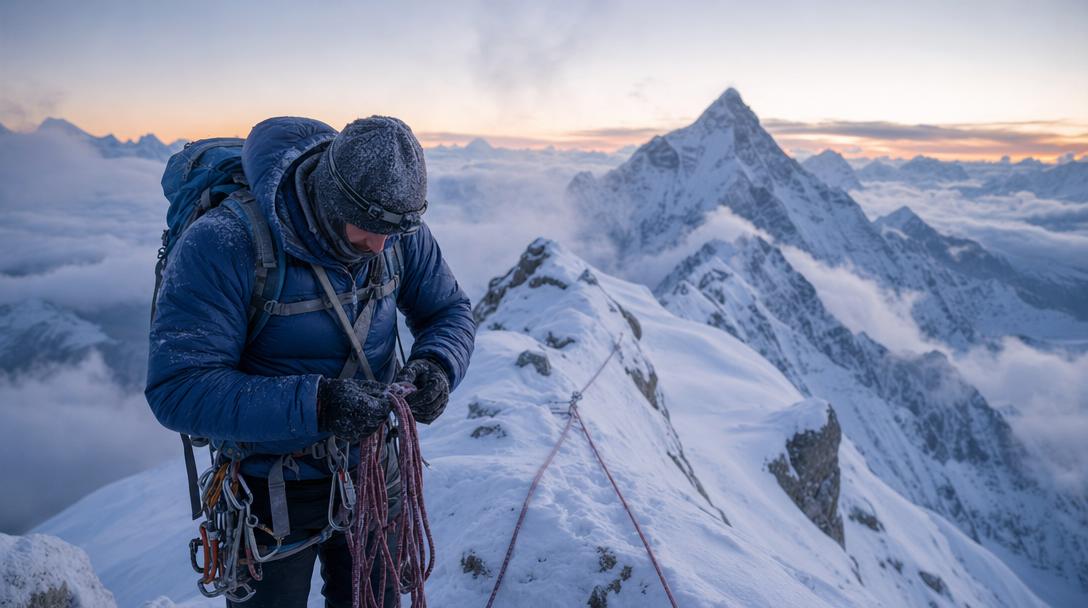
A common oversight is underestimating Nepal’s temperature extremes: daytime highs near base camps can plummet below -15°C at night on peaks like Ama Dablam. Prioritize layered clothing, insulated gloves, and crampons with 12 points for icy terrain. Many climbers rent gear in Kathmandu’s Thamel district, where shops like Himalayan Outpost offer discounted bundles for package clients. Don’t skip a headlamp with spare batteries—critical for pre-dawn summit pushes.
The Role of Local Guides and Sherpa Expertise
Hiring a certified Nepali guide or Sherpa isn’t just a safety measure—it’s an ethical investment. Local guides navigate hidden hazards like crevasses on the Khumbu Glacier and interpret weather patterns unique to regions like the Annapurna South Face. In 2024, a guided expedition on Island Peak avoided a rockfall by rerouting based on a Sherpa’s knowledge of seasonal shifts. Reputable packages from Everest Base Camp trek providers often include bilingual guides fluent in both route navigation and cultural context.
Pro Tip: Check if your package includes pokhara paragliding adventures as post-climb recovery options. Many operators offer discounts for bundled bookings.
Cultural Etiquette When Climbing in Himalayan Communities
Respect for local traditions is non-negotiable. Climbers must avoid touching prayer flags or stepping over ceremonial items on trails like the Everest High Pass route. In 2023, a team faced backlash for wearing revealing clothing inside a monastery near Manang—part of a broader push to preserve cultural dignity. Learn basic Nepali phrases like "Namaste" and carry offerings (khata scarves) for monastery visits. Packages that include village stays often brief clients on these norms beforehand.
Common Mistakes to Avoid in Peak Climbing Packages
Underestimating acclimatization remains the top blunder. Rushing ascents to tackle peaks like Lobuche East leads to altitude sickness in 30% of climbers annually. A 2025 study found that 70% of evacuations on Mera Peak could have been prevented with additional rest days. Avoid operators offering "budget" 14-day Mera Peak itineraries—they skip crucial acclimatization stops like Pangom or Kothe. Always prioritize packages with built-in flexibility for weather delays.
Combining Peak Climbing with Other Adventure Activities in Nepal
Nepal’s adventure tourism ecosystem allows climbers to pair high-altitude pursuits with activities like jungle safaris in Chitwan National Park or paragliding in Pokhara. A 2026 trend sees packages bundling Annapurna Base Camp treks with post-climb Ayurvedic spa sessions in Pokhara. For adrenaline seekers, the everest base camp trek packages now offer add-ons like helicopter returns to Lukla, saving time for those combining climbs with Kathmandu sightseeing.
Packages that blend climbing with cultural immersion—like homestays in Manang or tea house treks in Langtang—offer deeper value than purely technical ascents. Prioritize operators that allocate at least 20% of profits to local community projects, ensuring your climb supports Nepal’s sustainable tourism goals.
Frequently Asked Questions
What are the best seasons for peak climbing in Nepal?
The best seasons for peak climbing in Nepal are spring (March–May) and autumn (September–November). These periods offer stable weather conditions and clear summit windows, making them ideal for expeditions.
Do I need a permit to climb peaks in Nepal?
Yes, climbers are required to obtain permits for peaks above 5,000 meters, especially in protected areas like the Annapurna Conservation Area or Sagarmatha National Park. For example, climbing Island Peak demands a permit from the Nepal Mountaineering Association.
Which peaks are suitable for beginners in Nepal?
For beginners with basic crampon training, Lobuche East is a suitable peak. Island Peak is also a popular choice for those transitioning to high-altitude climbing due to its glacier crossings and fixed ropes.
What essential gear is needed for peak climbing in Nepal?
Essential gear includes layered clothing, insulated gloves, and crampons with 12 points for icy terrain. A headlamp with spare batteries is also critical for pre-dawn summit pushes.
Why is hiring a local guide or Sherpa important for climbing in Nepal?
Hiring a certified Nepali guide or Sherpa is important for safety and ethical reasons. They can navigate hidden hazards, interpret weather patterns, and provide cultural context, ensuring a safer and more informed climb.
What cultural etiquette should climbers observe in Himalayan communities?
Climbers should respect local traditions by avoiding touching prayer flags or stepping over ceremonial items. Learning basic Nepali phrases and carrying offerings for monastery visits are also recommended.
What is a common mistake climbers make regarding acclimatization?
A common mistake is underestimating acclimatization and rushing ascents, which can lead to altitude sickness. It's crucial to choose packages with built-in flexibility for rest days to allow for proper acclimatization.