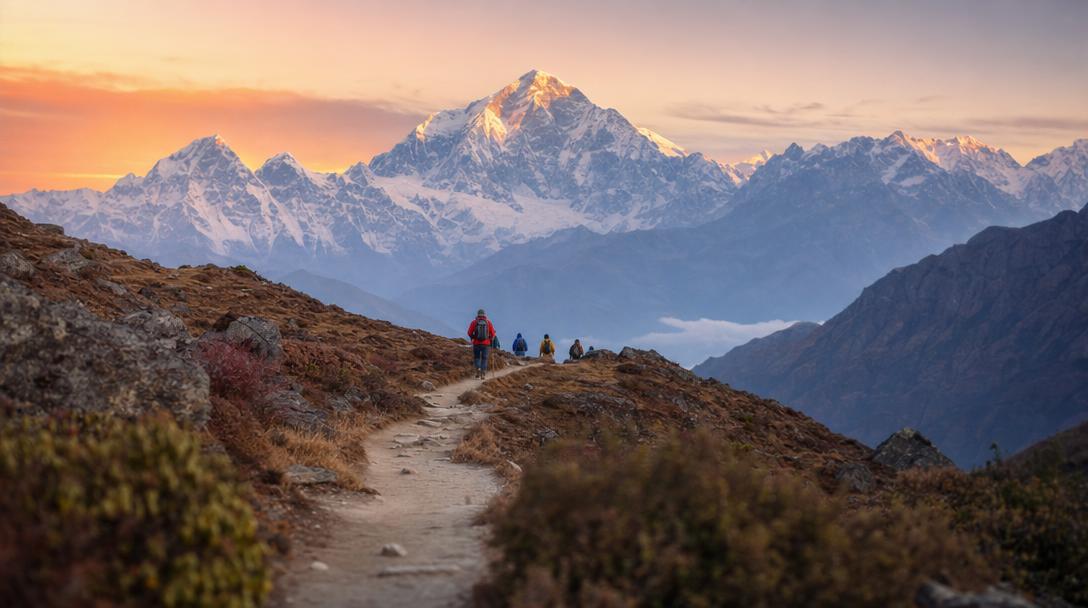
Every year, thousands flock to Nepal's Khumbu Valley hoping to conquer the Everest Base Camp trek, only to discover that not all packages deliver the same experience. A poorly chosen itinerary can mean overcrowded trails, inadequate acclimatization days, or even compromised safety. With the right package, however, you'll gain access to expert guides, sustainable practices, and hidden gems like the Gokyo Lakes or the Three Passes route.
Step 1: Define Your Priorities and Budget
Determine what matters most: luxury lodges, cultural immersion, or off-the-beaten-path exploration. Basic packages start at $1,200 (2026 prices), while premium options with private teahouses or helicopter return flights can exceed $5,000. Budget travelers should prioritize operators offering shared accommodation and communal dining, while those seeking comfort might opt for packages including Kathmandu’s 5-star hotels and guided sunrise views from Kala Patthar.
Warning: Avoid packages priced 30% below average – these often cut corners on safety, guide quality, or environmental practices.
Step 2: Select the Ideal Duration and Route
Most packages range from 12-18 days. The classic 14-day itinerary via Lukla remains popular, but newer 16-day routes like the Gokyo Valley extension offer better acclimatization and less crowded paths. For 2026, consider itineraries incorporating the recently upgraded Tengboche Monastery stop or the lesser-known Chhukung Ri side trek. Shorter 12-day packages suit time-constrained travelers but require prior altitude experience.
Key Variation: Acclimatization Days
Look for packages with built-in rest days in Namche Bazaar (3,440m) and Dingboche (3,800m). Operators advertising "fast-track" 12-day treks without these stops risk exposing clients to altitude sickness – a common mistake costing $200-500 in emergency evacuations.
Step 3: Evaluate Guide-to-Trekker Ratios
Nepal’s Tourism Board mandates a 1:10 guide-to-client ratio, but premium packages often provide 1:4 ratios for personalized attention. For 2026, book packages employing certified Sagarmatha National Park guides with Wilderness First Responder training. Check if they provide portable oxygen cylinders – a critical safety feature above 5,000m.
Step 4: Scrutinize Inclusions and Hidden Costs
Compare what’s included beyond basics: Does the package cover Lukla flight upgrades during peak seasons? Are permits ($25 TIMS card + $30 Sagarmatha National Park fee) included? Watch for "meal plans" that only provide basic dal bhat – some premium packages now offer international cuisine options at higher-altitude lodges like the recently renovated Everest Summit Lodge in Lobuche.
Step 5: Verify Sustainability Practices
In 2026, Nepal enforces stricter eco-trekking regulations. Choose packages that include waste management fees, lodge-certified composting toilets, and partnerships with local cooperatives. Operators like Highland Expeditions now offer carbon-neutral trek options, rerouting groups to less-impacted trails like the Imja Valley alternative to the congested Everest Viewpoint path.
Key Takeaway: Prioritize packages with 100% plastic-free policies – they’ll provide refill stations for water purification, saving you $150+ annually on bottled water costs.
Step 6: Consider Post-Trek Extensions
Enhance your adventure with Nepal-specific add-ons. Many Everest packages now bundle Pokhara paragliding adventures or Annapurna Base Camp tours at discounted rates. For peak-baggers, some operators offer post-trek extensions to Island Peak (6,189m) – a perfect introduction to Nepal’s peak climbing packages.
Step 7: Book During Optimal Seasons
The 2026 trekking calendar favors October-November (post-monsoon) and March-April (pre-monsoon). Book packages during these windows for clear skies and stable trails. Avoid December-February unless choosing winter-specific packages with yak-guides and snow cleat provisions. Spring packages often include rhododendron forest views, while autumn routes guarantee Everest’s iconic glacier views before winter snowfall.
By following these steps, you’ll secure a package balancing adventure, safety, and cultural depth. The result? A transformative journey through Nepal’s most iconic landscapes, with memories lasting far beyond your return from Lukla. For added value, consider extending your trip with a wildlife safari in Chitwan National Park – a perfect low-altitude contrast to Everest’s high-altitude grandeur.
Frequently Asked Questions
What is the typical price range for Everest Base Camp trek packages?
Basic packages for the Everest Base Camp trek start at $1,200, while premium options that include private teahouses or helicopter return flights can cost over $5,000. It is advisable to avoid packages priced 30% below the average, as they may compromise on safety or guide quality.
What is the recommended duration for an Everest Base Camp trek to ensure proper acclimatization?
Most Everest Base Camp trek packages range from 12 to 18 days. It is recommended to choose packages that include built-in rest days in Namche Bazaar and Dingboche to help prevent altitude sickness.
What guide-to-trekker ratio should I look for in an Everest Base Camp package?
While Nepal's Tourism Board mandates a 1:10 guide-to-client ratio, premium packages often provide a 1:4 ratio for more personalized attention. It is also beneficial to look for certified Sagarmatha National Park guides with Wilderness First Responder training.
What are some common hidden costs or inclusions to scrutinize in Everest Base Camp trek packages?
When evaluating packages, check if they cover Lukla flight upgrades during peak seasons and if permits, such as the TIMS card and Sagarmatha National Park fee, are included. Also, be aware that some 'meal plans' might only provide basic dal bhat.
What are the optimal seasons for booking an Everest Base Camp trek?
The optimal seasons for trekking to Everest Base Camp are October-November (post-monsoon) and March-April (pre-monsoon). These periods offer clear skies and stable trail conditions, making for a more enjoyable experience.
How can I ensure my Everest Base Camp trek package is environmentally friendly?
To ensure an eco-friendly trek, choose packages that include waste management fees, utilize lodge-certified composting toilets, and partner with local cooperatives. Operators offering 100% plastic-free policies and water purification refill stations are also a good choice.