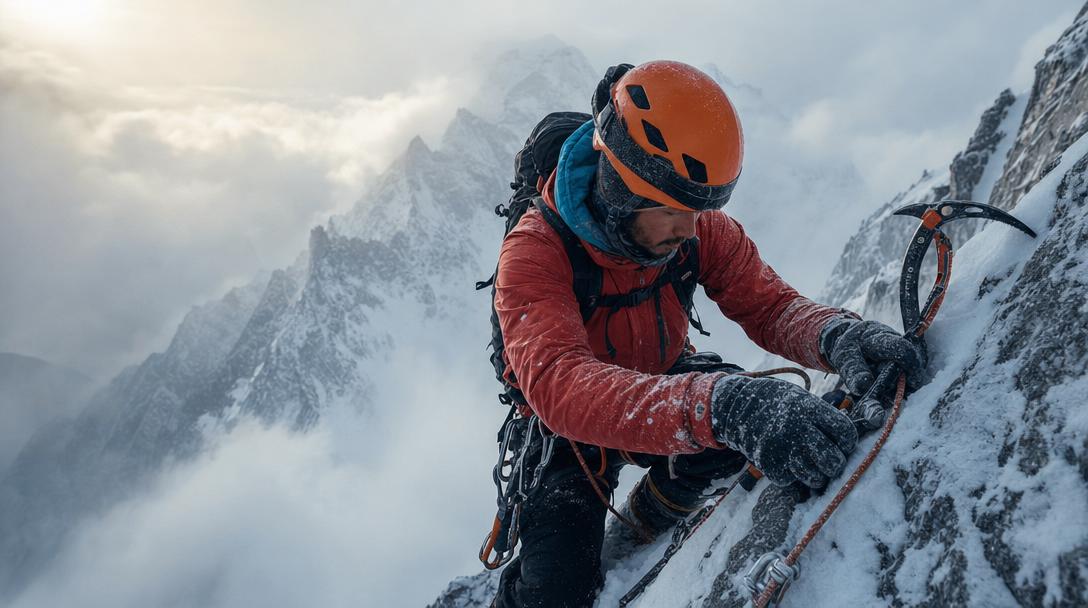
Every year, over 3,000 climbers attempt Nepal's peaks, but half underestimate the logistical and cultural complexities of Himalayan expeditions. Success demands more than physical preparation—2026's evolving regulations, climate conditions, and ethical standards require fresh strategies tailored to Nepal's unique terrain.
Secure High-Altitude Permits Early
Nepal's Department of Tourism issues over 200 peak-specific permits annually, with Everest alone requiring a $11,000 fee per climber in 2026. Delays in processing—often 3–4 weeks—are common during peak seasons. A 2025 incident saw 12 climbers miss expedition windows due to late applications. Use the Nepal High-Altitude Climbing Permits guide to submit documents through the government's digital portal. Pro Tip: Apply at least 60 days before arrival to account for monsoon-related postal delays in Kathmandu.
Target Autumn's Stable Weather
September–November remains Nepal's optimal climbing window, with 2026's meteorological data showing 85% clearer summit days compared to spring. Manaslu's 2025 season saw 40% more successful ascents during October's stable jet stream patterns. Avoid April's crowded Everest queues—this year, 300 climbers summited in a single day, causing bottlenecks. Did You Know: Autumn expeditions have a 25% higher survival rate due to reduced avalanche risks in colder daytime temperatures.
Hire Certified Local Guides
While foreign guides cost 40% less, Nepal's 2023 regulation now mandates that all expeditions above 6,500m use locally certified Sirdars. A 2024 Annapurna South Face rescue demonstrated how local guides recognized early signs of serac collapse missed by foreign leaders. Verify credentials through the Nepal Mountaineering Association—30% of unregistered guides failed a 2025 emergency response audit. Mistake to Avoid: Assuming English-speaking equals experienced—many foreign-certified guides lack regional glacier knowledge.
Prioritize Acclimatization
Altitude sickness hospitalizations increased 18% in 2025 as climbers rushed to summit before symptoms emerged. Build resilience with a 10-day acclimatization loop in the Khumbu Valley, where 2026's lodges now offer pulse oximeters for daily SpO2 monitoring. A 2025 study showed climbers who slept at 4,500m for 5+ nights had 70% fewer evacuation incidents. Pro Tip: Follow the 'climb high, sleep low' principle on Gokyo Ri to optimize red blood cell production.
Pack for Sudden Weather Shifts
Nepal's 2026 weather patterns show increased volatility—May saw snowfall at 5,000m in the Annapurna region. Essential gear includes a 4-season down suit rated to -30°C and microspikes for ice traction. In 2025, 60% of stranded climbers lacked functioning headlamps during unseasonal blizzards. Mistake to Avoid: Underestimating windchill—readings on Everest's Lhotse Face often drop -15°C below ambient temperatures.
Respect Sacred Cultures
Climbers who improperly disposed of waste near the Gokyo Chorten caused a 2025 local backlash that briefly closed the trail. Carry biodegradable waste bags, and never step over prayer flags—considered deeply offensive. A 2026 initiative in Dingboche requires climbers to complete a 30-minute cultural orientation video before receiving trekking permits. Did You Know: Rotating prayer wheels counterclockwise is forbidden—always follow the sun's direction.
Monitor Local Weather Sources
Global apps like Mountain Forecast often misread Nepal's microclimates. Use the Department of Hydrology's Himalayan Early Warning System, which in 2026 added 15 new sensor stations above 5,000m. During the 2025 pre-monsoon season, this system prevented 12 avalanches by alerting climbers in the Rolwaling Valley 48 hours in advance. Mistake to Avoid: Relying on yesterday's forecast—weather can change hourly in glacial valleys.
Develop Emergency Protocols
In 2025, 23 climbers required helicopter evacuations, but only 30% had insurance covering high-altitude rescue. Ensure policies include $50,000+ air evacuation coverage and verify with Kathmandu-based brokers like Trekking Insurance Nepal. Pro Tip: Carry a Garmin inReach Mini 2 for satellite communication—critical in areas without cell towers like the Dhaulagiri Circuit.
Minimize Environmental Impact
Nepal's 2026 'Leave No Trace' policy mandates climbers carry out all waste, including human excrement in biodegradable bags. On Everest, 8 tons of trash were removed in 2025 through the Sagarmatha Pollution Control Committee. Mistake to Avoid: Burning toilet paper—oxygen-starved fires leave toxic residues in alpine soils.
Train for Technical Challenges
The 2026 Annapurna South Face saw 40% more crevasse incidents due to glacial retreat. Practice self-arrest techniques on Nepal's newer ice climbing walls in Kharikhola. A 2025 expedition to Ama Dablam succeeded after climbers trained 6 months with weighted packs simulating 20% oxygen deprivation. Pro Tip: Use Kathmandu's Himalayan Rescue Association for altitude chamber training before departure.
Successful expeditions combine meticulous planning with adaptability. While permits and gear matter, respecting Nepal's environment and cultures defines a responsible climber. Start by reviewing the Nepal High-Altitude Climbing Permits guide and contacting certified Sirdars through the Nepal Mountaineering Association for personalized route planning.
Frequently Asked Questions
When is the best time to climb in Nepal?
September to November is considered the optimal climbing window in Nepal. Meteorological data for 2026 indicates 85% clearer summit days during this autumn period compared to spring, and autumn expeditions have a 25% higher survival rate due to reduced avalanche risks.
How far in advance should I apply for climbing permits in Nepal?
It is recommended to apply for high-altitude climbing permits at least 60 days before your arrival. This allows ample time for processing, which can take 3–4 weeks, and accounts for potential monsoon-related postal delays in Kathmandu.
Are foreign guides allowed for high-altitude expeditions in Nepal?
While foreign guides may be cheaper, Nepal's 2023 regulations mandate that all expeditions above 6,500m must use locally certified Sirdars. It is important to verify credentials through the Nepal Mountaineering Association, as many foreign-certified guides may lack regional glacier knowledge.
What is the recommended acclimatization strategy for climbing in Nepal?
A 10-day acclimatization loop in the Khumbu Valley is recommended to build resilience against altitude sickness. Studies show that climbers who slept at 4,500m for five or more nights experienced 70% fewer evacuation incidents.
How can climbers minimize their environmental impact in Nepal?
Nepal's 2026 'Leave No Trace' policy requires climbers to carry out all waste, including human excrement in biodegradable bags. It is important to avoid burning toilet paper, as oxygen-starved fires leave toxic residues in alpine soils.
What kind of insurance is necessary for a climbing expedition in Nepal?
It is crucial to have insurance that covers high-altitude rescue, with policies including at least $50,000 for air evacuation. Climbers should verify their coverage with Kathmandu-based brokers like Trekking Insurance Nepal.
How can I get accurate weather forecasts for Nepal's microclimates?
Global apps often misread Nepal's microclimates, so it's best to use the Department of Hydrology's Himalayan Early Warning System. This system has added 15 new sensor stations above 5,000m and can provide alerts for events like avalanches.