
A trekker's journey to Everest Base Camp can end abruptly if they neglect health precautions; altitude sickness hospitalizes over 500 trekkers annually in Nepal. Proper preparation, from vaccinations to gear choices, ensures safety and respect for Nepal's fragile mountain ecosystems.
Get Vaccinated Against Waterborne Diseases
The CDC recommends hepatitis A and typhoid vaccines for all Nepal-bound travelers due to contaminated food and water sources. In 2023, a surge in typhoid cases among trekkers who consumed untreated water from the Kali Gandaki River highlighted this risk. Even in Pokhara's bustling tea houses, improperly washed vegetables can transmit pathogens. Common mistake: Assuming bottled water eliminates all risks—many trekkers skip vaccines, trusting sealed bottles, only to face dehydration from bacterial contamination.
Pro Tip: Visit a travel clinic 4-6 weeks before departure to complete vaccination schedules.
Hydration Without Plastic Waste
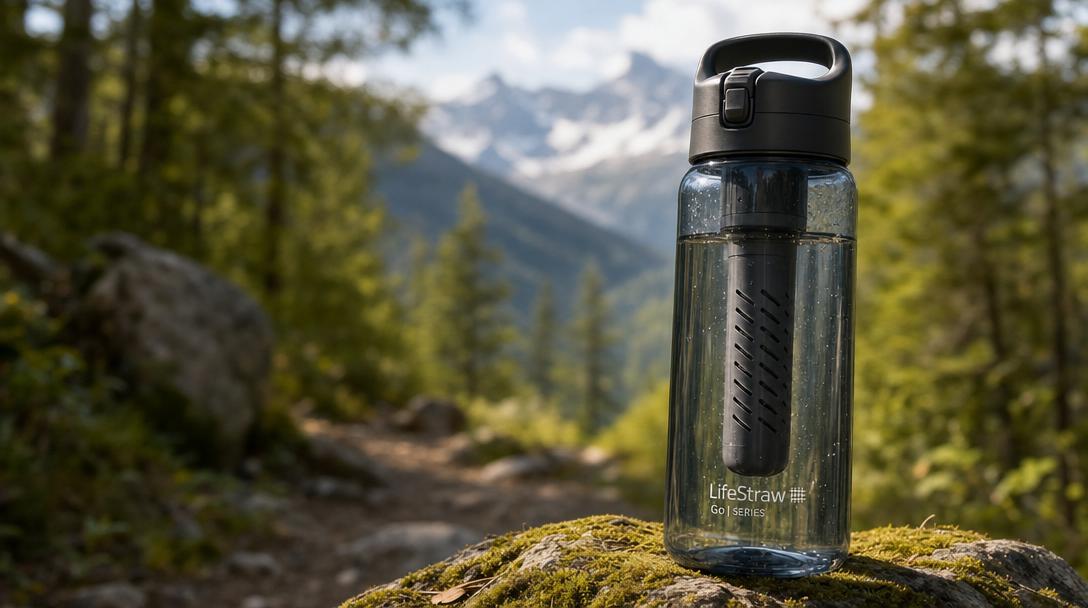
Nepal's trekking routes see 10,000+ plastic bottles discarded annually, according to Responsible Travel Nepal. Replace single-use bottles with reusable ones fitted with built-in filters or iodine tablets. On the langtang valley trekking routes, refill stations at teahouses like Lama Hotel now offer treated water. Common mistake: Boiling water without filtration—this practice contributes to deforestation in Annapurna Conservation Area.
Did You Know: A Sawyer filter can purify 1 million liters of water, outlasting 5,000 plastic bottles.
Acclimatize Properly in Namche Bazaar
Spending an extra day at 3,440m in Namche Bazaar reduces acute mountain sickness (AMS) risk by 60%, per Himalayan Rescue Association data. Trekking agencies report that 30% of AMS cases stem from skipping this acclimatization day. Use the time to explore the Sherpa Culture Museum at 3,860m, which doubles as a high-altitude adaptation checkpoint. Common mistake: Rushing to Tengboche (3,860m) in one day from Phakding (2,610m).
Pack a First Aid Kit for Mountain Emergencies
Your kit should include Diamox for altitude sickness, blister care supplies, and ibuprofen. In 2025, 42% of teahouse medical visits involved trekkers sharing Diamox due to shortages. Add hand sanitizer and oral rehydration salts—diarrhea affects 25% of Annapurna Circuit trekkers. Common mistake: Assuming teahouses stock all medications—remote lodges in Upper Mustang may lack basic supplies.
Monitor Weather Conditions Using Verified Route Maps
Check nepal trekking route maps for landslide warnings, especially post-monsoon. In 2024, sudden snowstorms trapped 200 trekkers near Thorong La Pass who relied on outdated apps. Download offline maps with GPS tracking. Common mistake: Ignoring permit zone boundaries—entering restricted areas like Upper Dolpo without authorization risks fines and rescue operations.
Preparedness and local respect define responsible trekking in Nepal. Consult nepal trekking permit guide to confirm current requirements before your 2026 journey.
Frequently Asked Questions
What vaccinations are recommended for trekking in Nepal?
The CDC advises getting vaccinated against hepatitis A and typhoid before traveling to Nepal. These vaccinations are crucial due to the risk of contaminated food and water sources encountered by trekkers.
How can trekkers avoid plastic waste while staying hydrated in Nepal?
Trekkers should use reusable water bottles equipped with built-in filters or iodine tablets instead of single-use plastic bottles. Refill stations offering treated water are available at teahouses along popular routes like the Langtang Valley.
Why is acclimatization in Namche Bazaar important for trekkers?
Spending an extra day at Namche Bazaar (3,440m) can reduce the risk of acute mountain sickness (AMS) by 60%. This acclimatization period allows the body to adjust to the higher altitude, preventing common trekking illnesses.
What essential items should be included in a first aid kit for a Nepal trek?
A first aid kit should contain Diamox for altitude sickness, supplies for blister care, and ibuprofen. Additionally, hand sanitizer and oral rehydration salts are recommended to address common issues like diarrhea.
How can trekkers stay informed about weather conditions and route safety in Nepal?
Trekkers should consult verified Nepal trekking route maps for landslide warnings, especially after the monsoon season. Downloading offline maps with GPS tracking is also crucial to avoid getting lost or caught in unexpected weather events like snowstorms.