To avoid 40% of Himalayan trip cancellations in 2026, secure permits early, acclimatize properly, and respect local customs—failure to address these factors ruins expeditions annually. Nepal’s mix of eight of the world’s 14 highest peaks and Hindu-Buddhist traditions demands precise planning.
The Bottom Line: Book permits through local agencies offering Nepal adventure travel deals to ensure compliance, prioritize acclimatization days, and engage with cultural norms to avoid misunderstandings.
Planning Your Nepal Adventure: Seasons, Permits, and Logistics
Nepal’s tourism peaks during October-December (clear skies) and March-May (spring blooms). Monsoon rains (June-September) render lower-altitude trails like Annapurna Base Camp muddy, but restricted areas like Upper Mustang remain open. Apply for visas online before arrival to avoid airport delays.
Trekking permits vary: Everest requires a $30 Sagarmatha National Park permit; Upper Mustang demands $500 for 10 days. Local agencies with licensed guides are mandatory for restricted zones. Compare Nepal travel deals to bundle permits, accommodation, and transport—local operators often undercut international packages.
Trekking Essentials: Routes, Gear, and Acclimatization
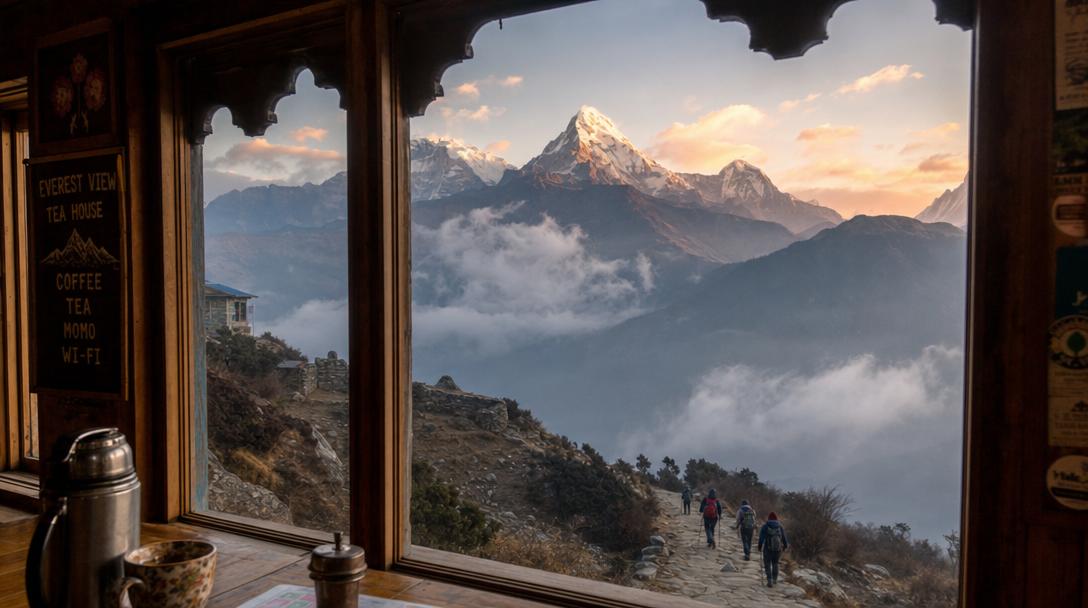
The Everest Base Camp trek (18 days) dominates itineraries, but the Manaslu Circuit (14-17 days) offers similar scenery with fewer crowds. For shorter trips, the Annapurna Sanctuary (10 days) delivers high-altitude drama without technical challenges.
Gear depends on season: Winter demands thermal layers ($50), down jackets ($150), and crampons; summer requires rain jackets ($80). Rent equipment in Kathmandu’s Thamel district—budget $20-30 for a sleeping bag.
Pro Tip: Spend an extra day acclimatizing at Namche Bazaar (3,440m) or Manang (3,540m). Carry dexamethasone and nifedipine to combat altitude sickness—descend immediately if symptoms worsen.
Cultural Etiquette: Temples, Monasteries, and Local Customs
Dress modestly in temples—cover shoulders and knees. Remove shoes before entering monasteries; avoid touching religious artifacts. During Dasain and Tihar festivals (October-November), respect animal sacrifices in rural areas and avoid intrusive photography.
Tip guides $10-15/day and porters $5-8/day—a $200 bonus for a 15-day trek is standard. Visit Kathmandu’s Durbar Square and Pokhara’s Bindabasini Temple to grasp Nepal’s spiritual depth.
Common Misconceptions and Practical Risks
Assuming teahouses accept credit cards ruins trips—80% of remote lodges require Nepali rupees. ATMs exist in Kathmandu and Pokhara, but carry sufficient cash for villages like Namche Bazaar, where a $10 noodle soup is standard.
Domestic flights to Lukla or Jomsom cancel 30% of the time due to weather—book flexible return tickets with airlines like Buddha Air. Giardia from untreated water plagues travelers. Use iodine tablets or filtered bottles—never drink tap water.
Beyond the Peaks: Cultural Heritage and Wildlife Encounters
Chitwan National Park offers jungle safaris with rhinos and tigers—opt for Nepal travel tips to find ethical wildlife packages. Lumbini, Buddha’s birthplace, hosts monasteries from Japan to India. For solitude, trek Dolpa’s remote trails, immortalized in Peter Matthiessen’s The Snow Leopard.
Final Takeaway
Book permits early, carry cash, and acclimatize properly—local agencies offering Nepal adventure travel deals provide the most reliable support in 2026.
Frequently Asked Questions
What are the best times of year to visit Nepal for tourism?
Nepal's tourism is busiest during October-December when skies are clear, and March-May, which offers spring blooms. The monsoon season from June-September makes lower-altitude trails muddy, but restricted areas like Upper Mustang remain accessible.
What are the permit requirements for trekking in Nepal?
Trekking permits vary depending on the region; for example, the Everest region requires a $30 Sagarmatha National Park permit. Restricted areas like Upper Mustang demand a $500 permit for 10 days, and local agencies with licensed guides are mandatory for these zones.
What are some popular trekking routes in Nepal?
The Everest Base Camp trek typically takes 18 days, while the Manaslu Circuit offers similar scenery in 14-17 days with fewer crowds. For shorter trips, the Annapurna Sanctuary provides a high-altitude experience over 10 days without technical challenges.
What gear should I bring for trekking in Nepal?
Gear needs depend on the season; winter treks require thermal layers, down jackets, and crampons, while summer trips need rain jackets. Equipment like sleeping bags can be rented in Kathmandu's Thamel district for about $20-30.
How can I prevent altitude sickness while trekking in Nepal?
It is recommended to spend an extra day acclimatizing at locations like Namche Bazaar (3,440m) or Manang (3,540m). Carrying medications like dexamethasone and nifedipine is advised, and immediate descent is necessary if symptoms worsen.
What are some important cultural customs to observe in Nepal?
When visiting temples, dress modestly by covering shoulders and knees, and remove shoes before entering monasteries. During festivals like Dasain and Tihar, respect local traditions such as animal sacrifices in rural areas and avoid intrusive photography.
Do teahouses and lodges in remote areas of Nepal accept credit cards?
No, most remote lodges in Nepal require Nepali rupees, as approximately 80% do not accept credit cards. While ATMs are available in larger cities like Kathmandu and Pokhara, it's essential to carry sufficient cash for villages like Namche Bazaar.
What are the risks associated with domestic flights in Nepal?
Domestic flights to destinations such as Lukla or Jomsom have a 30% cancellation rate due to weather conditions. It is advisable to book flexible return tickets with airlines like Buddha Air to account for potential delays.