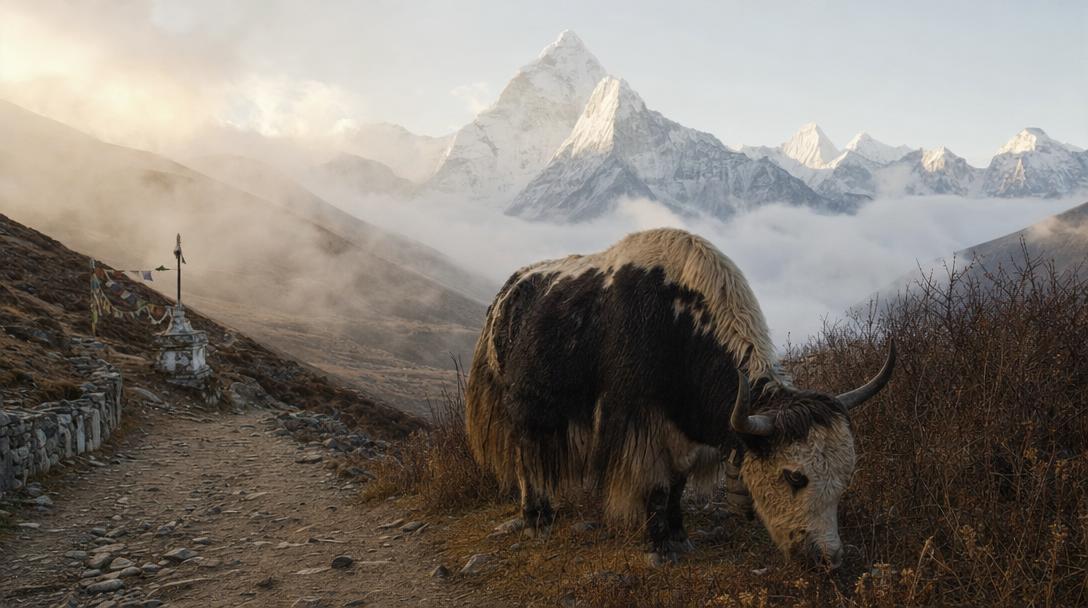
Nepal’s Himalayas rise abruptly from subtropical plains to the world’s highest peaks, creating a landscape where altitude sickness kills more travelers annually than avalanches. Eight of the 14 highest mountains—including Everest—demand respect from adventurers who flock to this region for once-in-a-lifetime experiences.
Plan Around the Himalayan Seasons
Nepal’s trekking calendar revolves around two main seasons: pre-monsoon (March-May) and post-monsoon (September-November). During these windows, the Annapurna Circuit sees 20,000+ trekkers annually, but attempting the Everest Base Camp route outside these periods risks trail closures from snow or landslides. The monsoon season (June-August) transforms lower-altitude trails like Poon Hill into slippery mud baths, while winter expeditions require specialized gear for -20°C temperatures at Kala Patthar.
Pro Tip: Check the Nepal travel guide for region-specific seasonal advice—Lower Mustang remains accessible year-round, while Manaslu Circuit requires permits only during specific months.
Acclimatize Seriously in High-Altitude Regions
Altitude sickness affects 25% of trekkers above 2,500 meters, yet many still skip proper acclimatization days. When trekking to Annapurna South Base Camp (4,200m), spend two nights at Deurali (3,600m) to let your body adjust. Carry Diamox tablets (available in Kathmandu pharmacies) and prioritize hydration—drink 3-4 liters daily. Ignoring symptoms like headaches or nausea can lead to life-threatening cerebral edema, as seen in 2023 when two solo travelers died near Mera Peak.
Respect Local Cultures in Sacred Sites
In Kathmandu Valley’s Swayambhunath Stupa, tourists wearing revealing clothing caused local protests in 2024 after climbing prayer-flag adorned ridges. When entering Hindu temples (like Pashupatinath) or Buddhist monasteries (Tengboche Gompa), remove shoes, avoid pointing feet at altars, and seek permission before photographing rituals. A 2025 incident where travelers disrupted a Dashain festival procession in Pokhara highlights the importance of understanding local customs.
Did You Know: Nepal has 123 languages and 6 religions practiced across its 19,000+ villages. Learning basic Nepali phrases like "namaste" (greeting) and "dhanyabad" (thank you) can bridge cultural gaps in remote teahouse stays.
Use Licensed Trekking Guides in Remote Areas
While solo trekking is permitted in lower-altitude regions like Ghorepani, the Nepal government mandates licensed guides for treks above 4,500 meters—a rule enforced since 2023 to reduce preventable deaths. In Manaslu, 80% of trekkers now hire local guides through the Trekking Agencies' Association of Nepal (TAAN), boosting rural employment. Verify credentials through the Nepal Adventure Travel Deals platform to avoid unscrupulous operators.
Pack for Rapid Weather Shifts
A single day on the Everest High Passes trek can swing from t-shirt warmth at Lukla (2,800m) to sub-zero conditions at Cho La Pass (5,420m). Layered clothing systems—merino wool base layers, down jackets, and waterproof shells—are essential. In 2025, sudden snowstorms stranded 300 trekkers near Annapurna Base Camp, emphasizing the need for emergency gear like hand warmers and microspikes in April/May seasons.
Verify Travel Insurance Coverage
Standard policies exclude altitude-related emergencies above 5,000 meters. In 2024, a British trekker faced $25,000 helicopter rescue costs from Mera Peak because his insurance capped coverage at 4,500m. Ensure policies include evacuation from remote regions—many Himalayan insurers partner with Kathmandu’s CIHS Hospital for direct billing. Check the Nepal Travel Deals page for recommended providers.
Carry Local Currency for Rural Transactions
While Kathmandu’s Thamel district accepts cards, teahouses along the Kanchenjunga Circuit still require cash. ATMs above 2,500 meters frequently run out of stock during peak seasons, leaving trekkers stranded. In Solu-Khumbu, some lodges charge 5-10% surcharges for card payments. Exchange USD to NPR at authorized counters in Tribhuvan Airport for better rates than local money changers.
Prioritize Eco-Friendly Practices
The Sagarmatha National Park reports 50,000kg of improperly disposed waste annually from trekkers. Refillable water bottles with built-in filters (like Grayl) save costs and reduce plastic pollution—many teahouses now offer boiled water for 50-75 NPR per liter. Join community clean-up initiatives in Annapurna Conservation Area for a more sustainable footprint.
Research Road Safety Before Overland Travel
Nepal’s roads claim 3,500 lives annually—double the global average. The Prithvi Highway (Kathmandu-Pokhara) sees weekly landslides during monsoon, while the Karnali Highway’s 2025 bus crash killed 18 due to unregulated sharp turns. Opt for domestic flights during wet seasons, or book jeeps with the Tourism Ministry’s “Safe Travel Nepal” certification for overland journeys.
Learn Basic Nepali Phrases
English is widely spoken in tourist hubs, but knowing key phrases improves experiences in rural areas. In Mustang’s Lo-Manthang, elders still speak Tibetan dialects, while Sherpa communities in Khumbu appreciate attempts at "Shongbo che" (good morning). Download the Nepal Travel Guide’s audio phrasebook for market bargaining and trail navigation.
Nepal’s mountains reward careful preparation and cultural sensitivity. By prioritizing local knowledge—from seasonal patterns to currency nuances—travelers create safer, more meaningful Himalayan journeys. Book licensed guides through verified platforms to support community-based tourism initiatives shaping Nepal’s 2026 adventure landscape.
Frequently Asked Questions
When is the best time to trek in Nepal?
Nepal's trekking calendar has two main seasons: pre-monsoon (March-May) and post-monsoon (September-November). These periods offer optimal conditions for popular routes like the Annapurna Circuit and Everest Base Camp.
What is altitude sickness and how can I prevent it in Nepal?
Altitude sickness affects 25% of trekkers above 2,500 meters. To prevent it, ensure proper acclimatization days, carry Diamox tablets, and drink 3-4 liters of water daily to stay hydrated.
What cultural customs should I be aware of when visiting sacred sites in Nepal?
When visiting sacred sites like temples or monasteries, remove your shoes, avoid pointing your feet at altars, and seek permission before taking photographs of rituals. Dressing modestly is also important to show respect.
Do I need a trekking guide in Nepal?
While solo trekking is allowed in lower-altitude areas, the Nepal government mandates licensed guides for treks above 4,500 meters. This rule, enforced since 2023, aims to enhance safety and reduce preventable deaths.
How should I pack for the weather in Nepal?
Pack layered clothing, including merino wool base layers, down jackets, and waterproof shells, as temperatures can change rapidly. Emergency gear like hand warmers and microspikes may also be necessary, especially during certain seasons.
Is travel insurance important for trekking in Nepal?
Yes, it is crucial to verify your travel insurance coverage, as standard policies often exclude altitude-related emergencies above 5,000 meters. Ensure your policy includes evacuation from remote regions to avoid high costs.
Should I carry local currency in Nepal?
Yes, it is advisable to carry local currency (NPR) for rural transactions, as many teahouses outside of Kathmandu's tourist hubs only accept cash. ATMs in high-altitude regions can frequently run out of stock.