
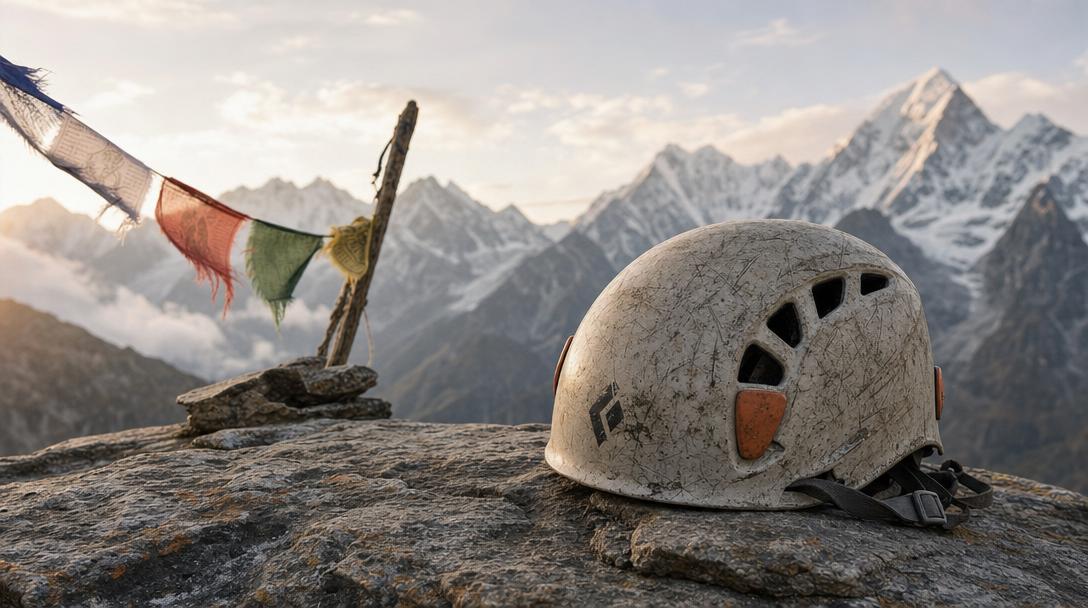
Nepal’s mountains dominate the global climbing imagination, with eight of the world’s 14 highest peaks—including Everest—anchored in its rugged terrain. For aspiring climbers, the challenge isn’t just physical but logistical: navigating permits, seasonal windows, and cultural nuances is critical for success. This guide breaks down the process into actionable steps to help you summit safely while respecting Nepal’s unique alpine environment.
Step 1: Choose the Right Peak Based on Skill and Goals
Nepal’s climbing spectrum ranges from technical 8,000-meter giants like Annapurna to accessible 6,000-meter peaks such as Mera Peak. Beginners should consider non-technical treks like Island Peak (5,911m), which require minimal ice climbing experience. Intermediate climbers might target Annapurna South Base Camp (7,219m), while veterans should research Everest’s standard route or the technical gauntlet of Dhaulagiri I (8,167m). Link your choice to realistic fitness benchmarks and prior altitude experience.
Step 2: Obtain Necessary Permits and Documentation
Climbing in Nepal requires a Trekking Information Management System (TIMS) card and a peak-specific permit from the Ministry of Tourism. Costs vary drastically: Mera Peak permits cost around $300 per climber, while Everest’s surcharge exceeds $11,000. Apply through registered local agencies to avoid scams. Skipping this step isn’t just illegal—it endangers your safety and reputation.
Warning: Permit applications can take 4–6 weeks during peak seasons. Always submit paperwork at least two months before your intended climb date.
Step 3: Hire a Licensed Guide or Join an Expedition Team
Nepal mandates licensed guides for most technical peaks. Local sherpas offer unmatched route knowledge and cultural insight. For example, the Annapurna Circuit’s Thorong La Pass (5,416m) requires guides familiar with sudden weather shifts. Use platforms like Nepal Mountain Adventures to vet reputable outfitters with proven safety records.
Step 4: Acclimatize Properly to Prevent Altitude Sickness
Acute Mountain Sickness (AMS) claims lives annually. Build tolerance by spending extra nights at key elevations: 3–5 days in Namche Bazaar (3,440m) for Everest-bound climbers, or 2–3 days in Manang (3,540m) for Annapurna trekkers. Skip alcohol and stay hydrated—Nepal’s thin air punishes complacency.
Warning: Rushing acclimatization is the leading preventable cause of expedition failures. Plan routes with built-in rest days, like the Everest Base Camp’s two-week ascent profile.
Step 5: Pack Essential Gear for Extreme Conditions
Nepal’s mountains demand layering systems that combat -30°C temperatures and sudden snowstorms—even in May. Prioritize waterproof outer shells, crampons with anti-balling plates, and headlamps with spare batteries. Rent gear in Kathmandu’s Thamel district if shipping logistics are prohibitive, but test boots on pre-trip hikes to avoid blisters.
Step 6: Follow Sustainable Climbing Practices
Carry out all waste: Kathmandu’s EcoHimal organization penalizes littering with permit revocations. Respect sacred sites like the prayer flags along the Manaslu Circuit—never step on or above them. Support community projects by hiring local porters through fair-trade agencies.
Step 7: Prepare for Weather and Seasonal Challenges
The 2026 climbing calendar favors autumn (September–November) for Everest and pre-monsoon (March–May) for Annapurna. Check real-time forecasts via the Nepal Meteorological Department. Avoid December–February’s avalanche risks and June–August’s monsoon deluges—both seasons have claimed expeditions historically.
Step 8: Execute the Climb with Clear Communication
Maintain daily check-ins with your guide via satellite phone—Kathmandu’s Himalayan Rescue Association recommends Garmin inReach devices. Establish emergency protocols for crevasse falls or storms. A successful summit is only half the victory; your return to Lukla or Jomsom should be as methodical as the ascent.
Key Takeaway: The best Nepal climbs balance ambition with humility. Even if weather forces a detour, prioritizing safety ensures you’ll return to tackle another peak.
Climbing Nepal’s mountains isn’t just about personal achievement—it’s a pact with the land and its people. By respecting local regulations, ecosystems, and traditions, you contribute to preserving these peaks for future generations. For those eyeing 2026’s seasons, remember: meticulous planning today means clearer skies tomorrow.
Frequently Asked Questions
Which mountains in Nepal are suitable for beginner climbers?
Beginner climbers should consider non-technical treks like Island Peak, which stands at 5,911 meters and requires minimal ice climbing experience. Accessible 6,000-meter peaks such as Mera Peak are also good options for those new to mountain climbing.
What permits are required for climbing in Nepal?
Climbers in Nepal need a Trekking Information Management System (TIMS) card and a peak-specific permit from the Ministry of Tourism. These permits must be obtained through registered local agencies, and applications can take 4–6 weeks during peak seasons.
Why is hiring a licensed guide important for climbing in Nepal?
Nepal mandates licensed guides for most technical peaks due to their unmatched route knowledge and cultural insight. Guides are crucial for navigating sudden weather shifts and ensuring safety, especially in areas like the Annapurna Circuit’s Thorong La Pass.
How can climbers prevent altitude sickness in Nepal?
To prevent altitude sickness, climbers should acclimatize properly by spending extra nights at key elevations, such as 3–5 days in Namche Bazaar for Everest-bound climbers. It is also important to avoid alcohol and stay hydrated, as rushing acclimatization is a leading cause of expedition failures.
What are the best seasons for mountain climbing in Nepal?
The optimal seasons for climbing in Nepal are autumn (September–November) for peaks like Everest and pre-monsoon (March–May) for Annapurna. Climbers should avoid December–February due to avalanche risks and June–August because of monsoon deluges.
What are the rules for sustainable climbing practices in Nepal?
Sustainable climbing practices in Nepal include carrying out all waste, as littering can lead to permit revocations. Climbers should also respect sacred sites like prayer flags and support local communities by hiring porters through fair-trade agencies.