
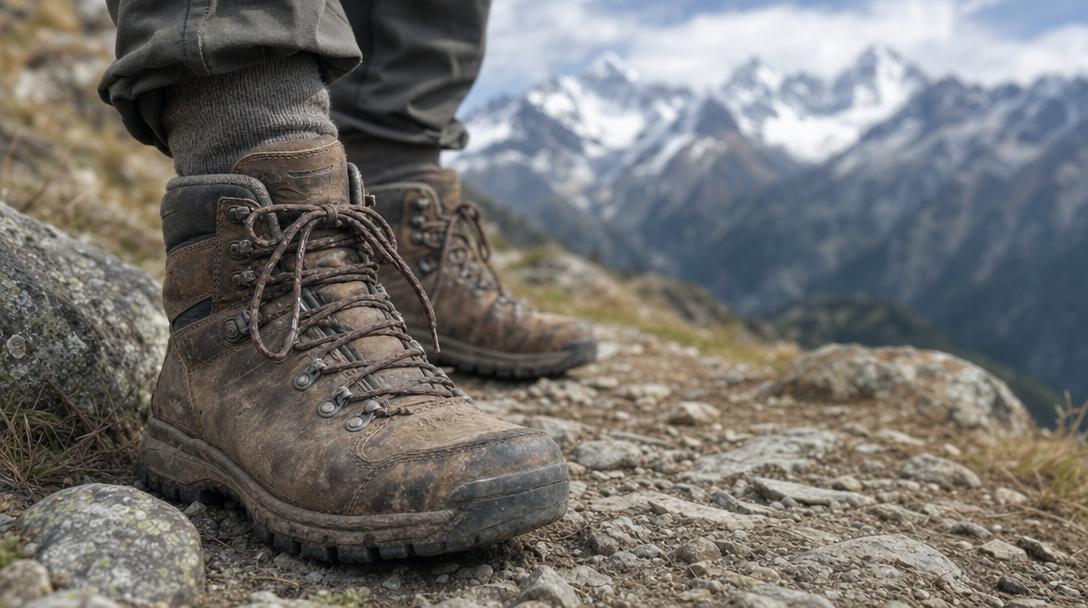
Nepal’s eight of the 14 highest peaks demand more than just physical stamina—they require cultural awareness, logistical foresight, and environmental responsibility. In 2026, over 50,000 adventurers will attempt Himalayan treks and climbs, but many will overlook critical nuances that define a successful journey. Here’s what seasoned Nepali guides never skip.
Timing Isn’t Just Weather-Dependent
The Himalayas have two golden seasons: pre-monsoon (March–May) and post-monsoon (September–November). While the former offers rhododendron blooms in the Annapurna region, the latter guarantees Everest’s clearest skies. But timing also affects crowd density: October’s peak season means queuing at Everest Base Camp’s iconic stupa, while April’s pre-monsoon draws fewer crowds but higher avalanche risks in Langtang. Booking permits three months in advance prevents last-minute route changes—especially for restricted areas like Upper Mustang.
Pro Tip: February’s off-season offers solitude on the Poon Hill trek, but pack glacier-grade gear for snow-covered trails.
Local Guides Know the Unmapped Hazards
A Kathmandu-based agency quoted $2,500 for a 12-day Annapurna South expedition—but skipped mentioning the trail’s 2023 landslide repairs above Chhomrong. Local guides from villages like Manang or Namche Bazaar provide real-time intel on trail conditions, hidden teahouse closures, and cultural protocols. They also navigate bureaucratic hurdles: in 2026, Sagarmatha National Park requires digital permits verified via biometric scans at Lukla checkpoints.
Did You Know: Sherpa families in Khumbu charge $50–$70 daily for climbing support, but their expertise reduces summit turnaround times by 30%.
Altitude Sickness Is a Nepali Kitchen Test
A 2024 study found 40% of Everest trekkers underestimate acute mountain sickness (AMS) symptoms. At 3,500m, skip the Dal Bhat feast in Dingboche and prioritize garlic soup—it’s a local remedy proven to improve oxygen saturation. If headaches persist after descending 500m, evacuate immediately: the 2025 rescue drone network now covers Lukla, but delays still occur during Kathmandu’s monsoon fog.
Pro Tip: Gamow bags are obsolete in Nepal; use hyperbaric chambers at Pheriche’s Himalayan Rescue Association clinic.
Waste Management Trumps 'Pack It In, Pack It Out'
The 2026 'Leave No Trash' policy mandates all climbers carry GPS-tagged waste bags. On the Everest trail, 70% of teahouses still burn plastic due to limited recycling infrastructure. Instead, deposit waste at Kathmandu’s Balkumari processing center pre-departure or pay a $150 eco-fee that funds Manang’s new solar composter. For expeditions, hire porters with collapsible human waste containers—disposable ones degrade poorly above 5,000m.
Did You Know: Sagarmatha National Park fines climbers $2,000 for littering—enforcement increased after 2023’s microplastic studies in Imja Glacier.
Cultural Respect Is Practical, Not Just Polite
A 2025 incident saw a trekker banned from Upper Dolpo for photographing a masked Tiji festival. Always ask before snapping pictures of rituals or stupas—monks at Boudhanath Stupa consider lens caps as disrespectful as stepping on prayer wheels. When entering Hindu temples like Muktinath, remove leather items: cows are sacred, and cowhide boots offend pilgrims.
Pro Tip: Offer rupees 100–200 to local children guiding you to hidden viewpoints; it’s more ethical than candy, which causes dental issues.
Emergency Plans Beat Satellite Phones
In 2024, a German climber died on Island Peak after his rescue insurance excluded 'non-designated zones.' Verify policies cover the specific peak’s risk level—Island Peak’s technical routes require $500,000 coverage versus Mera Peak’s $200,000. Satellite phones fail in narrow valleys; use the Nepal Flying Service’s emergency SMS system (text 'HELP' to 1989) for faster response in Kali Gandaki Gorge.
Did You Know: Kathmandu’s CIWEC Clinic offers AMS prevention courses with portable pulse oximeters for $50.
Pack Layers, Not Luxury
A 2026 trekker’s worst mistake? Overpacking down jackets for Namche’s -15°C nights while ignoring micro-spikes for ice-glazed trails. Buy merino wool in Thamel’s Bhotahitya market—local brands like Himalayan Yak cost 60% less than imported gear. Skip the $300 expedition tent: teahouses on the Everest View Trek provide heated rooms for $10 extra.
Pro Tip: Rent crampons in Jomsom instead of Kathmandu—shops there offer post-monsoon discounts up to 40%.
True Himalayan mastery lies beyond summit selfies. It’s knowing when to trust a Sherpa’s weather forecast over an app, or recognizing that a prayer flag’s tear means more than a missed checkpoint. For 2026, prioritize partnerships with Nepal’s mountain communities—start by contacting local guides via the Nepal Expedition Climbing directory before booking foreign-led tours.
Frequently Asked Questions
What are the best times to trek in the Himalayas?
The Himalayas have two main trekking seasons: pre-monsoon (March–May) and post-monsoon (September–November). Pre-monsoon offers rhododendron blooms, while post-monsoon provides the clearest skies, especially for Everest.
Why is it important to hire local guides in Nepal?
Local guides from villages like Manang or Namche Bazaar offer real-time information on trail conditions, teahouse closures, and cultural protocols. They also assist with bureaucratic processes, such as navigating digital permit requirements at Lukla checkpoints.
How can trekkers prevent altitude sickness in Nepal?
To help prevent acute mountain sickness (AMS), prioritize garlic soup, a local remedy known to improve oxygen saturation, especially at altitudes like Dingboche. If headaches persist after descending 500m, immediate evacuation is necessary.
What is Nepal's policy on waste management for trekkers?
Nepal's 2026 'Leave No Trash' policy requires all climbers to carry GPS-tagged waste bags. Trekkers can deposit waste at Kathmandu’s Balkumari processing center or pay a $150 eco-fee to fund Manang’s solar composter.
What are some important cultural etiquette tips for visitors in Nepal?
Always ask for permission before photographing rituals or stupas, and remove leather items when entering Hindu temples like Muktinath. Offering rupees 100–200 to local children who guide you to viewpoints is also a respectful practice.
What kind of emergency planning is crucial for Nepal mountain adventures?
It's vital to verify that rescue insurance policies cover the specific peak's risk level, as coverage amounts vary. For emergency communication, use the Nepal Flying Service’s emergency SMS system by texting 'HELP' to 1989, as satellite phones can fail in narrow valleys.
What should trekkers pack for a Nepal mountain adventure?
Trekkers should pack layers, such as merino wool, which can be purchased locally at a lower cost. While micro-spikes are important for icy trails, expensive expedition tents are often unnecessary as teahouses provide heated rooms.