
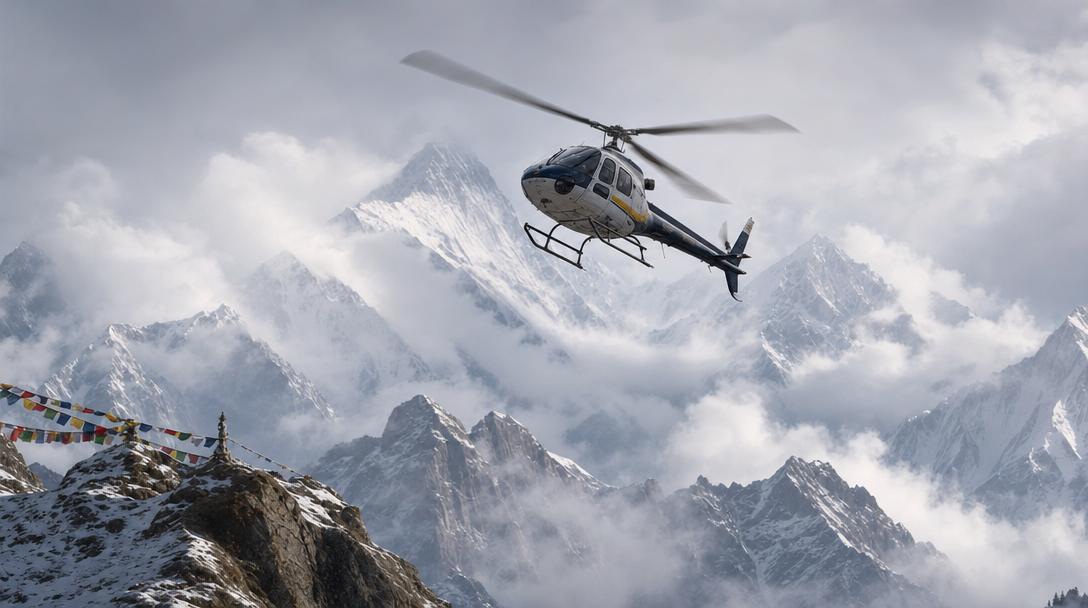
Over 10,000 tourists annually bypass weeks of trekking to see Mount Everest via helicopter, making this 1-hour aerial tour a top choice for families, older travelers, and time-constrained adventurers. Yet logistical challenges—from weather disruptions to weight restrictions—can derail even the most carefully planned trips to the Khumbu Valley.
Choosing the Right Season for Clear Views
The Himalayas are notoriously unpredictable, but Everest helicopter tours in Nepal operate reliably from March to May and September to November. These windows align with stable weather patterns, offering visibility up to Kala Patthar and the Khumbu Glacier. During monsoon (June-August) or winter (December-February), flights risk cancellation due to high winds or snowfall. For real-time updates, check the nepal everest region weather forecast before booking.
Pro Tip: Book mid-morning flights year-round to avoid early fog and afternoon turbulence.
Understanding Weight Limits and Group Sizes
Helicopters like the AS350 B3 Ecureuil have strict payload limits: 1,100–1,300 kg for passengers and gear. Most operators cap groups at 3–5 people, with individual weight restrictions (100–120 kg recommended). Families with children must confirm capacity details in advance—some companies offer child discounts. Haven Holidays Pvt. Ltd., a top operator, notes that exceeding weight limits forces fuel stops, delaying summit approaches.
Did You Know: Nepal’s Civil Aviation Authority requires pre-flight weigh-ins at Kathmandu’s GA International Airport.
How to Avoid Booking Disasters
Last-minute bookings often fail due to limited aircraft availability. The 12 helicopters servicing Everest routes are shared between rescue missions and tourism. Reserve at least 3 weeks ahead, especially during peak seasons. Group-sharing flights (from NPR 150,000/person) are cheaper than private tours (NPR 450,000+), but verify cancellation policies—many providers refund 50% for 24-hour notice.
Pro Tip: Opt for operators offering backup dates to minimize weather-related losses.
What to Pack for High-Altitude Flights
At Everest Base Camp’s 5,364 meters, temperatures drop to -15°C even in summer. Layered clothing (thermal base, fleece, windproof jacket) and insulated gloves are non-negotiable. Noise-canceling headphones reduce cabin din, and GoPro Hero 12s capture clearer shots through vibration-dampened mounts. Avoid overpacking: most helicopters restrict luggage to 5 kg/person.
The Most Common Reason Flights Get Cancelled
Weather accounts for 70% of cancellations, but many tourists overlook nepal everest view flights as an alternative. These Kathmandu-based 45-minute tours guarantee Everest sightings without risking altitude exposure. If grounded, insist on rescheduling rather than refunds—operators prioritize rebooking for safety-related disruptions.
Did You Know: Rescue helicopters often divert commercial flights during sudden storms, causing cascading delays.
Nepal’s helicopter tours blend accessibility and awe, but success hinges on timing, preparation, and flexibility. Check nepal everest summit ascent guide for post-flight trekking options if time allows. For immediate action, consult local operators about weight limits and backup dates before finalizing 2026 itineraries.
Frequently Asked Questions
Who are Everest helicopter tours suitable for?
Everest helicopter tours are ideal for families, older travelers, and those with limited time who wish to experience Mount Everest without extensive trekking. These 1-hour aerial tours offer a quick way to see the mountain.
What are the best times of year for Everest helicopter tours?
The most reliable seasons for Everest helicopter tours are March to May and September to November. During these periods, the weather is typically stable, providing clear views up to Kala Patthar and the Khumbu Glacier.
Are there weight restrictions for Everest helicopter tours?
Yes, helicopters have strict payload limits, typically between 1,100–1,300 kg for passengers and gear. Most operators recommend individual weight limits of 100–120 kg and cap groups at 3–5 people.
How far in advance should I book an Everest helicopter tour?
It is advisable to reserve your tour at least three weeks in advance, especially during peak seasons. This helps avoid issues with limited aircraft availability, as only 12 helicopters service the Everest routes.
What should I pack for a high-altitude Everest helicopter flight?
You should pack layered clothing, including a thermal base, fleece, and a windproof jacket, along with insulated gloves. It's also recommended to bring noise-canceling headphones, and luggage is typically restricted to 5 kg per person.
What is the most common reason for flight cancellations?
Weather conditions account for 70% of all flight cancellations for Everest helicopter tours. High winds or snowfall, particularly during monsoon or winter, can lead to disruptions.