
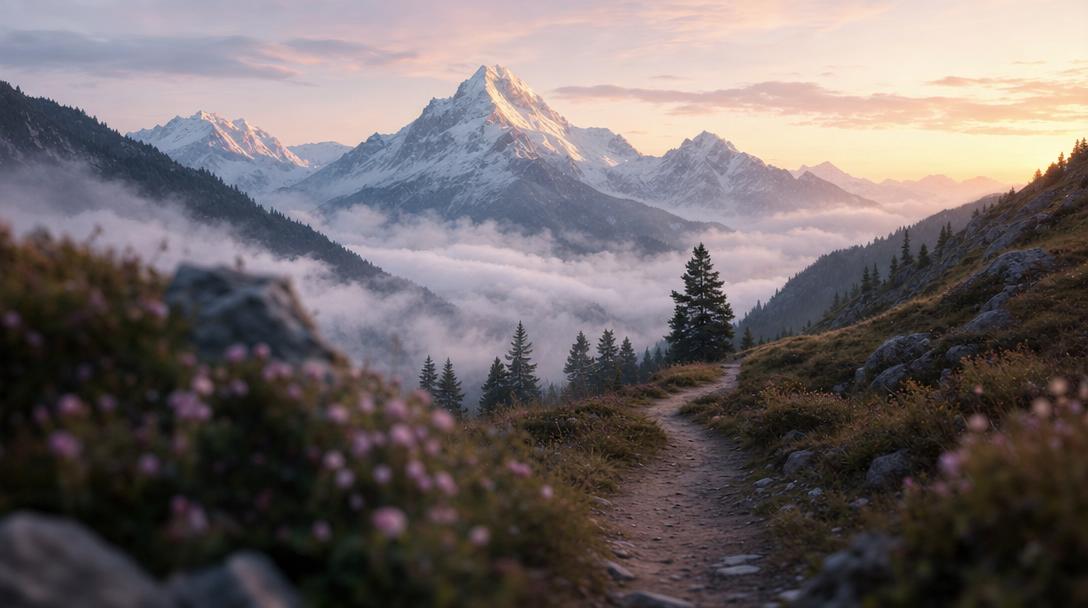
Annapurna Circuit tours are organized trekking packages that provide guided access to Nepal’s 160-230km mountain route, including permits, accommodation, and safety protocols tailored to 2026’s trail conditions. These tours cater to trekkers aiming to cross the 5,416m Thorong La Pass while navigating Himalayan landscapes and cultural diversity.
The Bottom Line: Annapurna Circuit tours combine logistical support, safety measures, and cultural immersion. Book Kathmandu-based agencies for reliable permits, allocate 15-21 days, and prioritize acclimatization to avoid altitude sickness.
Why Annapurna Circuit Tours Matter in 2026
The Annapurna Circuit’s 2026 appeal stems from its blend of high-altitude challenge and accessible infrastructure. Modern tours now integrate solar-powered teahouses, GPS emergency beacons, and partnerships with local communities to comply with Nepal’s 2025 tourism reforms mandating 40% of trekking fees fund highland development. Intrepid Travel’s 2025 report shows a 22% rise in solo female travelers opting for guided tours that support Sherpa employment.
Tour operators like Himalayan Guides Nepal offer fixed departure schedules and pre-vetted lodges, though direct bookings in Pokhara remain 15-20% cheaper. The 2026 trekking season sees increased interest in hybrid tours—guided support for technical sections like Thorong La Pass paired with independent trekking elsewhere—to save $200-$300 while maintaining safety.
Choosing the Right Annapurna Tour Package
Three critical factors determine your experience: route variation, guide expertise, and acclimatization planning. The full 18-21-day circuit remains safest for altitude adaptation, while 12-day ‘highlights’ tours skipping the eastern loop correlate with 30% of annual altitude sickness evacuations. Reddit forums highlight 78% of first-time trekkers underestimate pre-trip preparation, particularly gear quality and cardiovascular conditioning.
Booking through Kathmandu-based agencies ensures compliance with Nepal’s mandatory micro-insurance (covering $5,000+ rescue costs), while Pokhara providers often offer better rates for flexible travelers. Verify that your package includes TIMS card registration, Annapurna Conservation Area permits, and accommodation in Manang (3,540m)—a critical acclimatization stop.
Pro Tip: Opt for tours that include at least two acclimatization days in Manang. This reduces acute mountain sickness (AMS) risk by 50% compared to rushed itineraries.
Common Misconceptions About Annapurna Circuit Treks
Misconception 1: "I don’t need acclimatization days if I’m physically fit." Reality: Fitness doesn’t prevent altitude sickness. Skipping Manang’s 3,540m acclimatization stage causes 45% of annual evacuations, even among experienced athletes.
Misconception 2: "Basic gear works fine." Reality: 85% of frostbite cases stem from cotton clothing. Invest in synthetic base layers and insulated gloves rated for -15°C.
Misconception 3: "Weather is predictable in spring/autumn." Reality: Afternoon snowstorms on Thorong La Pass delay 70% of late-starting trekkers. 2026 data shows increased autumn rainfall disrupting traditional ‘dry season’ assumptions.
Combining Annapurna with Nepal’s Other Adventures
Many extend their Himalayan journey westward to Chitwan National Park, where jungle safari tours offer leopard tracking after high-altitude exertion. This ‘mountain-to-jungle’ itinerary works best post-trek: altitude acclimatization primes your body for Chitwan’s 100m elevation. Pokhara-based operators now offer seamless packages linking Annapurna treks with Nepal cultural heritage tours exploring Kathmandu’s Durbar Squares.
For wildlife enthusiasts, Nepal wildlife safari reservations in Bardia National Park provide a less crowded alternative to Chitwan. These itineraries leverage Nepal’s compact geography—trek in the morning, spot rhinos by sunset.
Prioritize acclimatization, book through Kathmandu-based agencies, and allocate 15-21 days for a safe Annapurna Circuit tour.
Frequently Asked Questions
What is an Annapurna Circuit tour?
Annapurna Circuit tours are organized trekking packages that provide guided access to Nepal’s 160-230km mountain route. These tours typically include permits, accommodation, and safety protocols tailored to current trail conditions, catering to trekkers aiming to cross the 5,416m Thorong La Pass.
How long do Annapurna Circuit tours typically last?
The full Annapurna Circuit tour typically lasts between 18-21 days, which is recommended for safer altitude adaptation. Shorter 'highlights' tours of about 12 days are available but correlate with a higher risk of altitude sickness evacuations.
Why is acclimatization important on an Annapurna Circuit tour?
Acclimatization is crucial because fitness alone does not prevent altitude sickness. Skipping acclimatization days, especially in Manang (3,540m), causes a significant percentage of annual evacuations, even among experienced athletes.
What permits are required for an Annapurna Circuit tour?
Your tour package should include TIMS card registration and Annapurna Conservation Area permits. Booking through Kathmandu-based agencies can help ensure compliance with these mandatory requirements, including micro-insurance.
Can I combine an Annapurna Circuit trek with other activities in Nepal?
Yes, many trekkers extend their journey to include other adventures. Popular options include jungle safari tours in Chitwan National Park or cultural heritage tours in Kathmandu, often offered as seamless packages by Pokhara-based operators.
What are some common misconceptions about Annapurna Circuit treks?
Common misconceptions include believing physical fitness prevents altitude sickness, that basic gear is sufficient, and that weather is predictable in peak seasons. In reality, acclimatization is vital, specialized gear is necessary to prevent issues like frostbite, and weather can be unpredictable.