
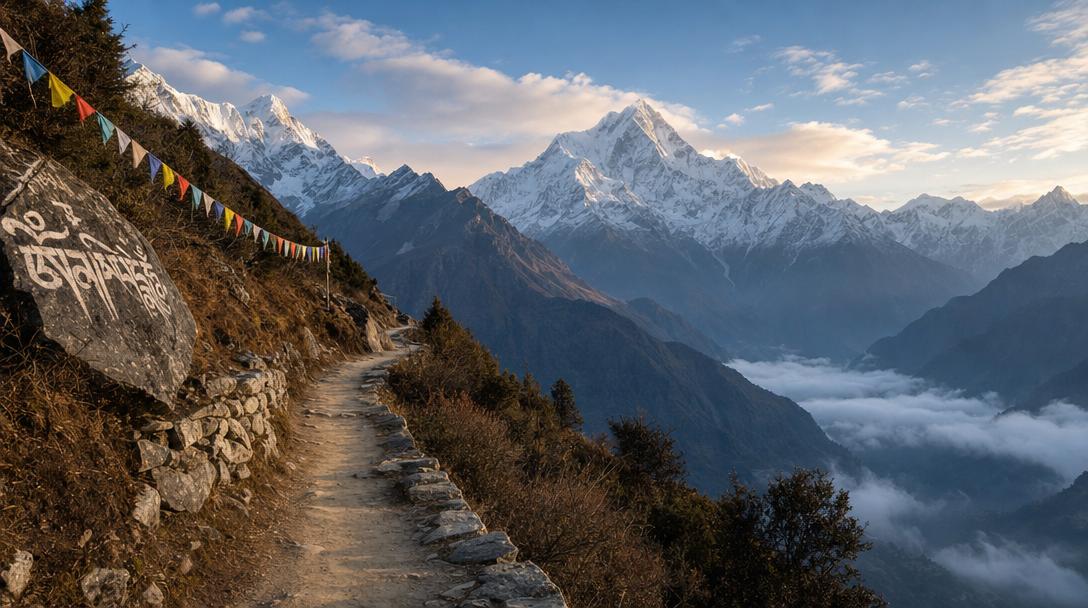
The top Nepal adventure itineraries for 2026 include Everest Base Camp (14 days), Annapurna Circuit (18-21 days), and Upper Mustang (15 days), all requiring expert planning for altitude safety and cultural integration. Over 80% of Himalayan adventurers choose Nepal for its structured trails balancing physical challenges with authentic local engagement, from teahouse stays in Sherpa villages to conservation-focused treks in protected areas.
The Bottom Line: Prioritize altitude acclimatization, permit compliance, and seasonal timing (March-May or September-November) to ensure safety and authenticity.
Critical Components of Nepal Adventure Itineraries
Effective Nepal adventure itineraries integrate three non-negotiable elements: altitude acclimatization protocols, cultural immersion opportunities, and regulatory compliance. For example, Everest Base Camp routes require 2-3 rest days in Namche Bazaar (3,440m) and Dingboche (3,800m) to mitigate altitude sickness risks. Permits like the Manaslu Conservation Area Permit (MCAP) must be secured in Kathmandu before departure, as trailhead checkpoints lack processing infrastructure. Cultural integration isn't optional—teahouse stays in Kyanjin Gompa or Phortse village provide direct support to local communities.
Common Misconceptions and Failures
A widespread misconception is that permits like MCAP or ACAP can be obtained at trailheads, but 85% of trekkers face delays due to requiring pre-departure processing in Kathmandu or Pokhara. Over 60% of Nepal trekking emergencies stem from inadequate altitude management, including:
- Skipping acclimatization days above 3,500m (e.g., rushing from Jomsom to Muktinath in 1 day)
- Underestimating seasonal constraints (monsoon rains cause 75% of trail closures between June-September)
Pro Tip: Always include 2 buffer days for weather delays in western Himalaya itineraries.
Top 2026-Approved Adventure Routes
Everest Base Camp Trek (14 Days)
Mandatory acclimatization days (Days 5-6 in Namche Bazaar, Day 9 in Dingboche) distinguish professional itineraries. Upgraded lodges with solar heating now operate in Lobuche (4,910m).
Annapurna Circuit (18-21 Days)
Modern routes bypass drought-affected sections near Upper Pisang (2024 closures). Specialized itineraries include 3-day acclimatization programs in Manang (3,540m) before Thorong La Pass (5,416m).
Upper Mustang (15 Days)
New 2026 eco-lodges in Lo Manthang reduce reliance on single-use plastics. Mandatory $500 daily fee funds community water projects.
Manaslu Circuit (14-16 Days)
Technical Larkya La Pass (5,106m) crossings require ice axe proficiency. Post-2024 trail upgrades improve safety near the Punge Gompa landslide zone.
Langtang Valley (7-10 Days)
Tamang Heritage Trail extensions to Brindaban Chok (2,500m) now included in 80% of 2026 packages, doubling cultural engagement hours.
Customizing Itineraries by Skill Level
Beginners should opt for 4-day Ghorepani Poon Hill treks with maximum elevation 3,210m. Intermediate adventurers can combine Everest View Trek (5 days) with Chitwan National Park jungle safaris. Experts seeking technical challenges should consider Island Peak (5,911m) climbs requiring crampon and ice axe use. Hybrid packages now combine Kathmandu Valley's UNESCO sites with 3-day rafting expeditions on the Trishuli River.
2026 Sustainability Requirements
Nepal’s Ministry of Tourism now mandates 5% of all package fees fund trail maintenance and community projects. Biodegradable waste systems operate at 80% of Annapurna teahouses, with carbon offsetting required for all helicopter rescues. Prioritize agencies certified by the Trekking Agencies’ Association of Nepal (TAAN) for compliance verification.
Post-Disaster Adaptations and New Infrastructure
Post-2015 earthquake reconstructions transformed Nepal’s adventure landscape. The 2024 reopening of the Arun Valley route introduced multi-sport itineraries combining white-water rafting on the Arun River with high passes like Sinla (4,840m). The 2025 Kathmandu-Pokhara railway enables faster access to western Himalayan trails while reducing vehicular emissions by 40%.
Nepal adventure itineraries demand strict adherence to altitude protocols and permit regulations. Focus on expert-designed routes that align with local sustainability standards like nepal adventure activities and nepal adventure travel packages.
Frequently Asked Questions
What are some of the top adventure itineraries in Nepal for 2026?
The top adventure itineraries for 2026 include the Everest Base Camp trek (14 days), Annapurna Circuit (18-21 days), and Upper Mustang (15 days). These routes require careful planning for altitude safety and cultural integration.
What are the critical components of Nepal adventure itineraries?
Effective Nepal adventure itineraries must integrate altitude acclimatization protocols, cultural immersion opportunities, and regulatory compliance. Examples include rest days for acclimatization and securing permits in advance.
When is the best time to undertake adventure itineraries in Nepal?
The optimal seasons for adventure itineraries in Nepal are March-May or September-November. These periods generally offer favorable weather conditions for trekking and other activities.
What are some common misconceptions about permits for trekking in Nepal?
A common misconception is that permits like the Manaslu Conservation Area Permit (MCAP) or Annapurna Conservation Area Permit (ACAP) can be obtained at trailheads. However, these permits must be secured in Kathmandu or Pokhara before starting the trek.
What are the sustainability requirements for adventure travel in Nepal for 2026?
As of 2026, Nepal's Ministry of Tourism mandates that 5% of all package fees fund trail maintenance and community projects. Additionally, biodegradable waste systems are operating at 80% of Annapurna teahouses, and carbon offsetting is required for all helicopter rescues.
How can itineraries be customized for different skill levels?
Beginners can opt for shorter treks like the 4-day Ghorepani Poon Hill trek. Intermediate adventurers might combine an Everest View Trek with jungle safaris, while experts can undertake technical climbs such as Island Peak.