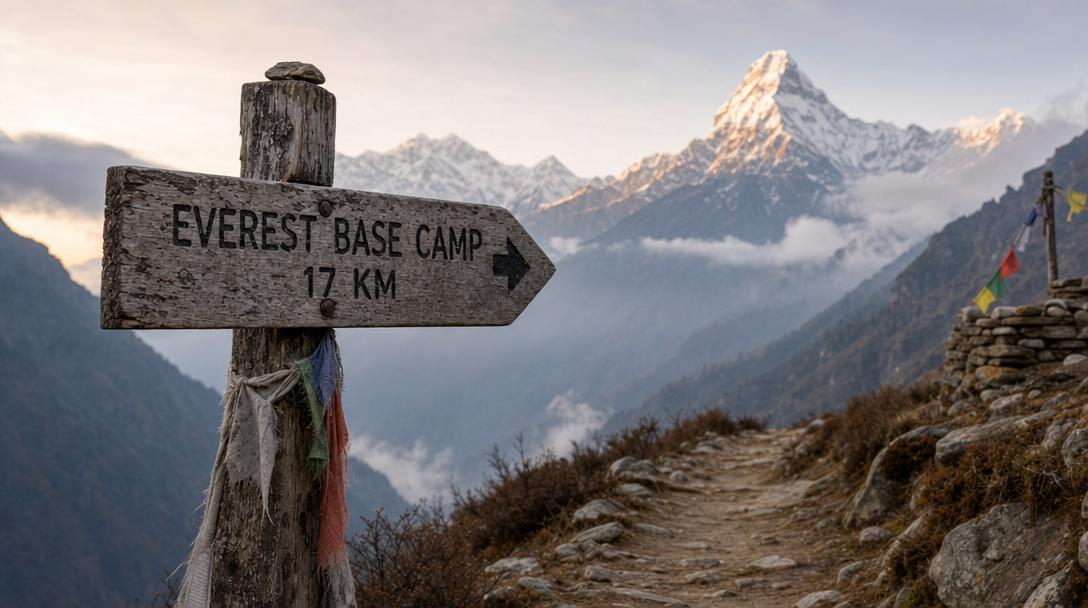
Nepal’s Himalayas dominate the skyline with eight of the world’s 14 highest peaks, including Mount Everest. Adventure seekers flock here for treks like the Annapurna Circuit and Everest Base Camp, but navigating this rugged terrain requires expert guidance. Proper preparation can mean the difference between a transformative journey and a logistical nightmare.
Local Guides Know the Himalayas Better Than Anyone
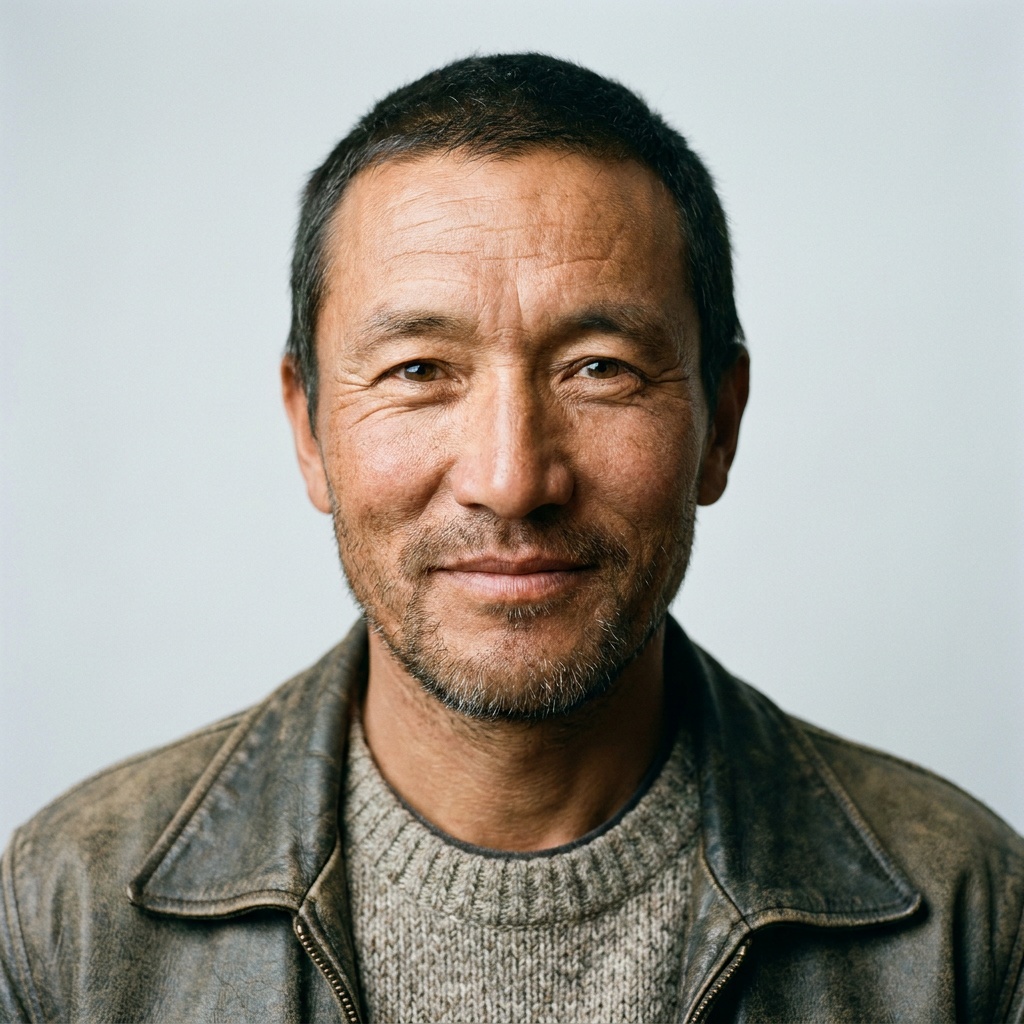
Nepali guides from mountain communities like Manang or Solu-Khumbu possess generational knowledge of trails, weather patterns, and cultural nuances. A guide from Kathmandu might misjudge snow conditions on the Annapurna South Base Camp route, while a local porter could identify a safer alternative path around a landslide. Always ask about a guide’s specific experience with your intended trekking region.
Pro Tip: Check if your guide holds a government-issued license from the Nepal Academy of Tourism and Hotel Management (NATHM).
Seasonal Planning Determines Your Success
The best trekking seasons run from September to November and March to May, when skies are clear and trails dry. Attempting the Everest Three Passes route in July risks monsoon-induced mudslides that can strand groups for days. A 2024 incident on the Langtang Valley trail highlighted how sudden snowstorms in December can lead to hypothermia for unprepared hikers.
Did You Know: The post-monsoon "shoulder season" (late October-November) offers fewer crowds and clear skies after rain washes pollutants from the air.
Cultural Respect Opens Doors in Himalayan Villages
Failing to remove shoes before entering a gompa in Upper Mustang could result in denied entry, while wearing shorts in Kathmandu’s Swayambhunath Temple risks offending locals. A 2023 viral video showed foreign hikers being asked to leave a village festival in Kavre District for taking photos without permission.
Pro Tip: Carry a reusable cloth to cover shoulders/knees when visiting religious sites.
Gear Choices Save You From Himalayan Extremes
A trekker attempting Island Peak without crampons in October 2025 faced a near-fatal slip on black ice. Layered clothing systems work best: base layers wick sweat, mid-layers insulate, and waterproof shells protect against sudden storms. Avoid cotton—it retains moisture and accelerates hypothermia.
Did You Know: Many Kathmandu shops rent outdated gear; invest in modern insulated jackets with synthetic fill that retains warmth when wet.
Altitude Sickness Prevention Saves Lives
Ignoring early symptoms like headaches can lead to cerebral edema even at 3,000 meters. In 2024, a solo hiker collapsed near Namche Bazaar after skipping acclimatization days. Always build in rest days above 2,500 meters—Lukla’s elevation (2,800m) makes it a perfect starting point for gradual ascent.
Pro Tip: Carry dexamethasone and nifedipine as emergency medication, but prioritize descending to lower altitudes if symptoms worsen.
Forums and Blogs Reveal Hidden Hazards
Reddit’s r/NepalTravel and Nepal Adventure Travel Forums recently highlighted a new landslide zone on the Lower Dolpo route. While official guides may omit dangerous sections, recent traveler reports can reveal washed-out bridges or bandit activity near the Indian border.
Did You Know: Some Nepal adventure travel blogs offer downloadable GPX tracks with verified safe routes.
Booking Through Reputable Agencies Avoids Scams
A 2025 investigation exposed fake agencies selling Everest Base Camp packages that left groups stranded in Lukla without permits. Verify agencies through Nepal Tourism Board’s official registry. Legitimate operators provide itemized cost breakdowns—beware of "too good to be true" deals that cut corners on safety equipment.
Pro Tip: Request to speak with previous clients; reputable agencies will share contact details without hesitation.
Proper preparation transforms Nepal’s challenges into unforgettable experiences. By prioritizing local expertise, seasonal timing, and cultural awareness, adventurers unlock deeper connections to the Himalayas. Start by reviewing Nepal adventure travel planning resources to verify your itinerary against current conditions before booking.
Frequently Asked Questions
What are the best times of year for trekking in Nepal?
The ideal trekking seasons in Nepal are from September to November and March to May. During these months, the skies are typically clear and the trails are dry, offering optimal conditions for hiking.
Why is it important to hire a local Nepali guide for Himalayan treks?
Local Nepali guides, especially from mountain communities, possess extensive generational knowledge of the trails, weather patterns, and cultural nuances. This expertise helps them navigate rugged terrain safely and identify alternative paths when necessary, which guides from other regions might miss.
How can I prevent altitude sickness while trekking in Nepal?
To prevent altitude sickness, it's crucial to build in rest days, especially above 2,500 meters, allowing your body to acclimatize gradually. Ignoring early symptoms like headaches can lead to serious conditions, so prioritize descending to lower altitudes if symptoms worsen.
What kind of clothing is recommended for trekking in the Himalayas?
A layered clothing system is best for Himalayan trekking, consisting of base layers to wick sweat, mid-layers for insulation, and waterproof shells for protection against storms. It's important to avoid cotton, as it retains moisture and can accelerate hypothermia.
Why is cultural respect important when visiting Himalayan villages and religious sites?
Showing cultural respect, such as removing shoes before entering a gompa or covering shoulders and knees at religious sites, helps ensure positive interactions with locals. Failing to do so can lead to denied entry or cause offense, as seen in incidents like being asked to leave a village festival for taking photos without permission.
How can I verify the legitimacy of a trekking agency in Nepal?
To avoid scams, verify trekking agencies through the Nepal Tourism Board’s official registry. Legitimate operators will provide itemized cost breakdowns and should be willing to share contact details of previous clients for references.