
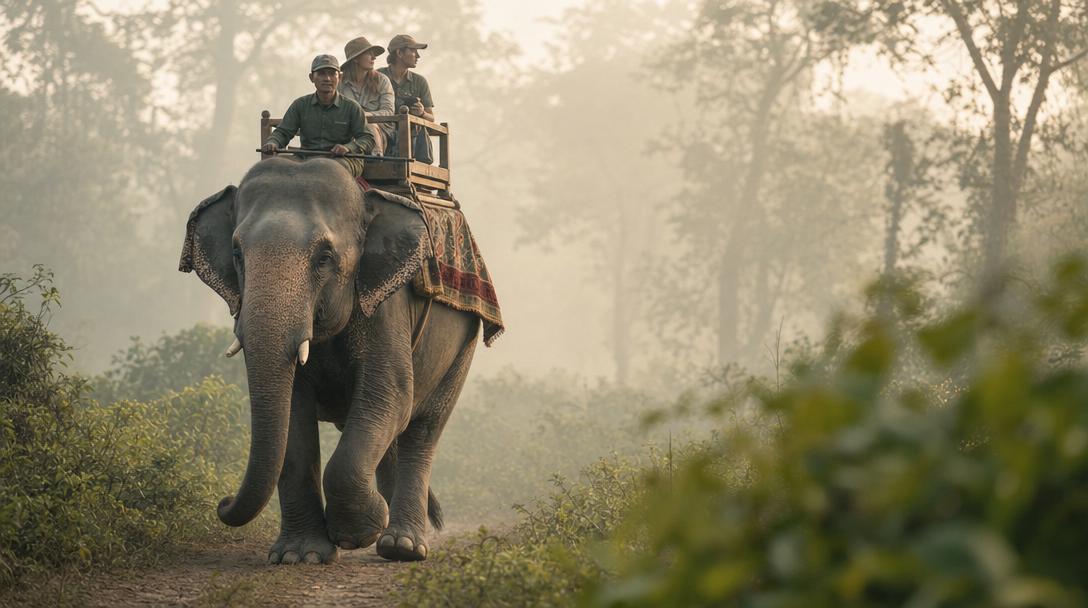
The first thing most travelers learn about Chitwan National Park is that it defies expectations. While visions of chasing tigers through dense jungles might dominate trip-planning fantasies, the reality is far more nuanced: the park’s 932 sq km offers a curated blend of wildlife encounters, cultural immersion, and adrenaline-pumping river adventures—all while supporting critical conservation efforts for endangered species like the one-horned rhino.
Early Morning Canoe Rides Reveal Hidden Wildlife
The Rapti River’s glassy surface at dawn becomes a mirror for Chitwan’s aquatic life. During a 2-hour guided canoe ride, visitors regularly spot marsh mugger crocodiles basking on sandbanks and rare Gharial crocodiles with their signature elongated snouts. The low-angle sunlight also creates ideal conditions for photographing elusive birds like the Bengal florican, a critically endangered bustard species found only in the park’s grasslands. Many tourists waste this opportunity by arriving late—prime sightings happen between 5:30-7:30 AM.
Pro Tip: Book a safari package through nepal jungle safari tours that includes river transport, as accessing remote observation points requires specialized knowledge of seasonal water levels.
Rhino Tracking Demands Strategic Planning
Chitwan’s population of 694 one-horned rhinos (as of 2025 park surveys) makes rhino tracking the park’s marquee activity. However, inexperienced guides often lead groups through overused trails where rhinos become skittish. The best approach? Request a Tharu ethnic guide—indigenous to the region—who can identify subtle signs of rhino presence in the tall elephant grass, like freshly dug wallows or the distinct aroma of their dung. Most successful tracking occurs in the park’s western zones near Kasara, where rhino density is highest.
Did You Know: Rhinos often travel with Asian openbill storks perched on their backs, creating a symbiotic relationship—the birds eat parasites from the rhino’s skin while providing early warning of approaching threats.
Tharu Cultural Experiences Require Authentic Engagement
The Tharu community’s centuries-old coexistence with Chitwan’s wildlife offers unique cultural insights. Yet, many tours reduce their rich traditions to photo ops in brightly colored attire. To truly engage, visit a Tharu homestay in the park’s buffer zone villages like Amaltari during the Maghi festival (mid-January to mid-February), where traditional stick dances tell ancestral stories of human-wildlife conflict resolution. Avoid tours that stage performances for profit—authentic experiences require prior coordination with local cooperatives.
Birdwatching Success Depends on Seasonal Timing
With over 500 recorded bird species, Chitwan ranks among Asia’s top avian hotspots. But timing matters: the post-monsoon season (September-October) brings migratory species like the bar-headed goose, while the dry winter months (December-February) concentrate waterfowl around shrinking oxbow lakes. Carry a field guide specific to the Terai lowlands—endemic species like the spiny babbler exist only in Nepal’s southern plains. First-time visitors often mistake the park’s common peafowl for wild birds, unaware that these vibrant creatures roam freely near lodges but rarely in core conservation zones.
Pro Tip: Bring binoculars with waterproof coating—the sudden afternoon monsoon rains common even in dry seasons can damage equipment.
Safari Reservations Demand Early Action in 2026
The 2025 surge in post-pandemic tourism led to 80% occupancy rates at Chitwan’s top lodges during peak season. By 2026, new conservation policies limit daily visitor numbers to 2,000 across all entry points. Book 4 months in advance through nepal wildlife safari reservations to secure permits for restricted zones like the Narayani River banks, where elephant safaris offer the highest tiger sighting probabilities. Last-minute planners often end up in overcrowded group tours that reduce wildlife interaction quality.
While Chitwan’s safari experiences center on wildlife, the park’s true value lies in its layered offerings—from riverine ecosystems to cultural heritage. Rather than fixating on ticking off species, focus on understanding the interconnectedness of these elements. Start planning your 2026 adventure by securing permits through official reservation systems to access the park’s most rewarding, lesser-known trails.
Frequently Asked Questions
What unique wildlife can be seen during early morning canoe rides in Chitwan National Park?
Early morning canoe rides on the Rapti River offer sightings of marsh mugger crocodiles and rare Gharial crocodiles. Visitors can also spot elusive birds like the critically endangered Bengal florican.
What is the best way to track rhinos in Chitwan National Park?
To successfully track rhinos, it is recommended to request a Tharu ethnic guide. These indigenous guides can identify subtle signs of rhino presence in the tall elephant grass, leading to better tracking opportunities.
How can visitors experience authentic Tharu culture in Chitwan National Park?
For an authentic cultural experience, visitors should consider a Tharu homestay in buffer zone villages like Amaltari, especially during the Maghi festival. This allows for genuine engagement with their traditions, such as ancestral stick dances.
When is the best time for birdwatching in Chitwan National Park?
Birdwatching success depends on seasonal timing; the post-monsoon season (September-October) is ideal for migratory species. The dry winter months (December-February) concentrate waterfowl around shrinking oxbow lakes.
Why is it important to book Chitwan National Park safaris in advance for 2026?
Booking safaris four months in advance for 2026 is crucial due to new conservation policies limiting daily visitor numbers to 2,000. Early booking secures permits for restricted zones and avoids overcrowded group tours.