The Annapurna region's Thorong La Pass closes for six months annually due to snowpack exceeding 3 meters. This natural barrier creates distinct trekking seasons, with 85% of visitors choosing autumn or spring windows according to Nepal Tourism Board 2025-2026 data.
Autumn's Golden Window (September-November)
October's stable weather reduces avalanche risks on Thorong La Pass (5,416m) with dawn temperatures averaging -5°C. Visibility extends 150km to Dhaulagiri, and Dashain celebrations in Marpha's apple orchards offer cultural immersion. Book Manang teahouses 4 months in advance – 90% operate at full capacity during October's peak.
Pro Tip: Prioritize October 15-30 for optimal balance of clear skies and moderate temperatures.
Spring Blooms and Shoulder Season (March-May)
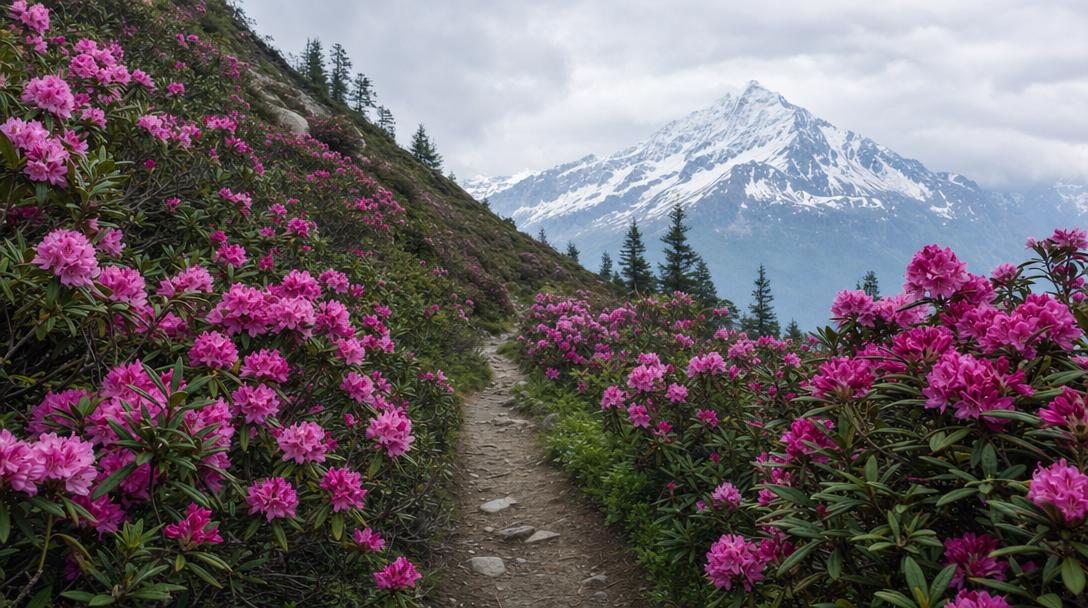
Rhododendron blooms paint the Kali Gandaki Valley crimson by March, with April's daytime highs reaching 22°C in Pisang (3,300m). Glacial lakes reflect Tilicho Peak's snowfields, but May's pre-monsoon storms bring sudden afternoon rain – June 1st marks official trail closure as snow turns to slush above 4,500m.
Did You Know: 82% of trekkers choose autumn/spring seasons according to 2025-2026 ACAP surveys.
Winter Challenges and Crowd-Free Trails (December-February)
December's first snowfall transforms Tilicho Lake into a frozen mirror, but temperatures drop to -15°C at Thorong Phedi (4,450m). Winter trekkers enjoy solitude – only 6% of annual visitors brave this season – but the trail beyond Manang closes officially on January 15th. Carry microspikes for icy river crossings and expect 40% shorter daylight hours compared to summer.
Monsoon Risks and Alternative Adventures (June-August)
July's monsoon dumps 150mm+ monthly rainfall in Ghorepani, creating landslide-prone conditions that buried 2km of trail near Khudi in 2023. High-altitude trekking becomes dangerous, but this period suits Kali Gandaki River Rafting – Nepal's longest river offers Class IV rapids downstream from Tatopani.
Festival Timing for Cultural Immersion
Plan around Nepal's 15-day Tihar festival (October/November) for yak butter lamps illuminating Muktinath Temple during the new moon. Avoid Dashain (September/October) if seeking quieter trails – 25% of Nepali families hike ancestral routes during this pilgrimage season according to ACAP data.
Underestimating Monsoon Dangers
A 2025 incident stranded 32 trekkers for 72 hours near Marpha after ignoring ACAP warnings about crossing Lete Gorge during monsoon. Many carried only basic rain gear despite 80% humidity at 2,800m elevations. Always carry satellite communication – cellular coverage disappears beyond Jomsom during rainy seasons.
Proper timing transforms Annapurna's challenges into unforgettable experiences. The region rewards those who respect its seasonal rhythms with everything from spring wildflowers to autumn constellations. Begin monitoring Nepal's Department of Hydrology and Meteorology forecasts six months in advance, and consider securing permits through Nepal Tourism Board's online system before peak booking periods.
Frequently Asked Questions
When is the best time to trek the Annapurna region?
The best times to trek the Annapurna region are during the autumn (September-November) and spring (March-May) seasons. These periods offer more stable weather conditions and clearer visibility, with 85% of visitors choosing these windows.
What are the benefits of trekking in autumn?
Autumn, particularly October, offers stable weather, reduced avalanche risks on Thorong La Pass, and visibility extending up to 150km. Trekkers can also experience cultural immersion with Dashain celebrations in Marpha.
What can trekkers expect during the spring season?
During spring (March-May), trekkers can witness rhododendron blooms in the Kali Gandaki Valley and enjoy daytime highs of 22°C in April. However, May brings pre-monsoon storms, and trails above 4,500m close by June 1st due to slush.
Is it possible to trek the Annapurna region in winter?
Winter (December-February) offers solitude with only 6% of annual visitors, but temperatures can drop to -15°C at Thorong Phedi. The trail beyond Manang officially closes on January 15th, and microspikes are recommended for icy river crossings.
Why should I avoid trekking during the monsoon season?
The monsoon season (June-August) brings heavy rainfall, creating landslide-prone conditions and making high-altitude trekking dangerous. Cellular coverage also disappears beyond Jomsom during this time, making communication difficult.
How far in advance should I book accommodation during peak season?
During October's peak, it is advisable to book Manang teahouses four months in advance. This is because 90% of them operate at full capacity during this time.
What are the risks of underestimating monsoon dangers?
Underestimating monsoon dangers can lead to being stranded, as demonstrated by a 2025 incident where 32 trekkers were stuck for 72 hours. Trekkers should carry satellite communication as cellular coverage is unreliable.